Even though it's technically winter here in South Korea, whether you wear sunscreen (or suncream for my South African readers and sunblock for my American readers) should not be dependant on the season or weather. It should be worn every day regardless of how much sun you actually see in the sky.
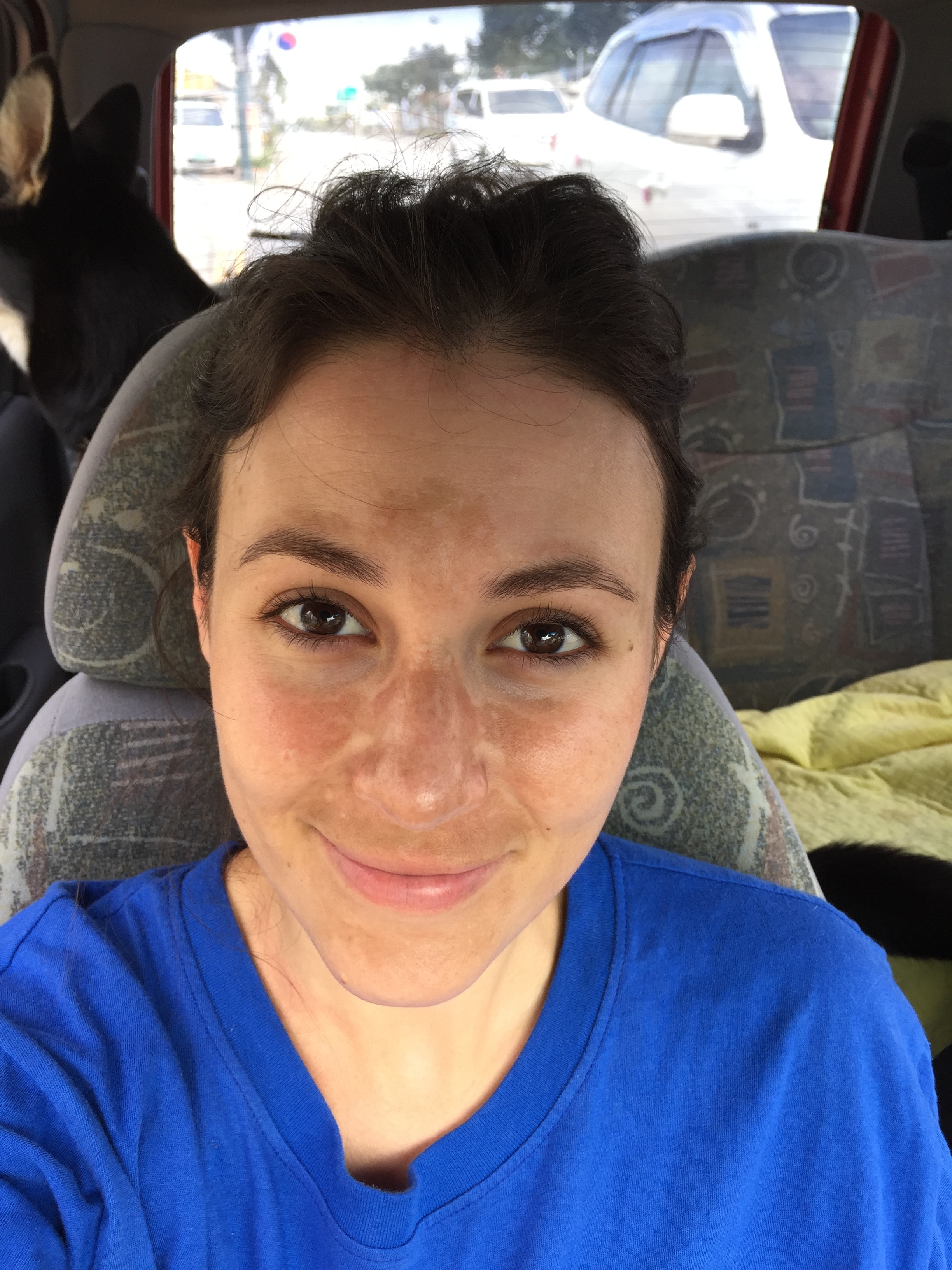
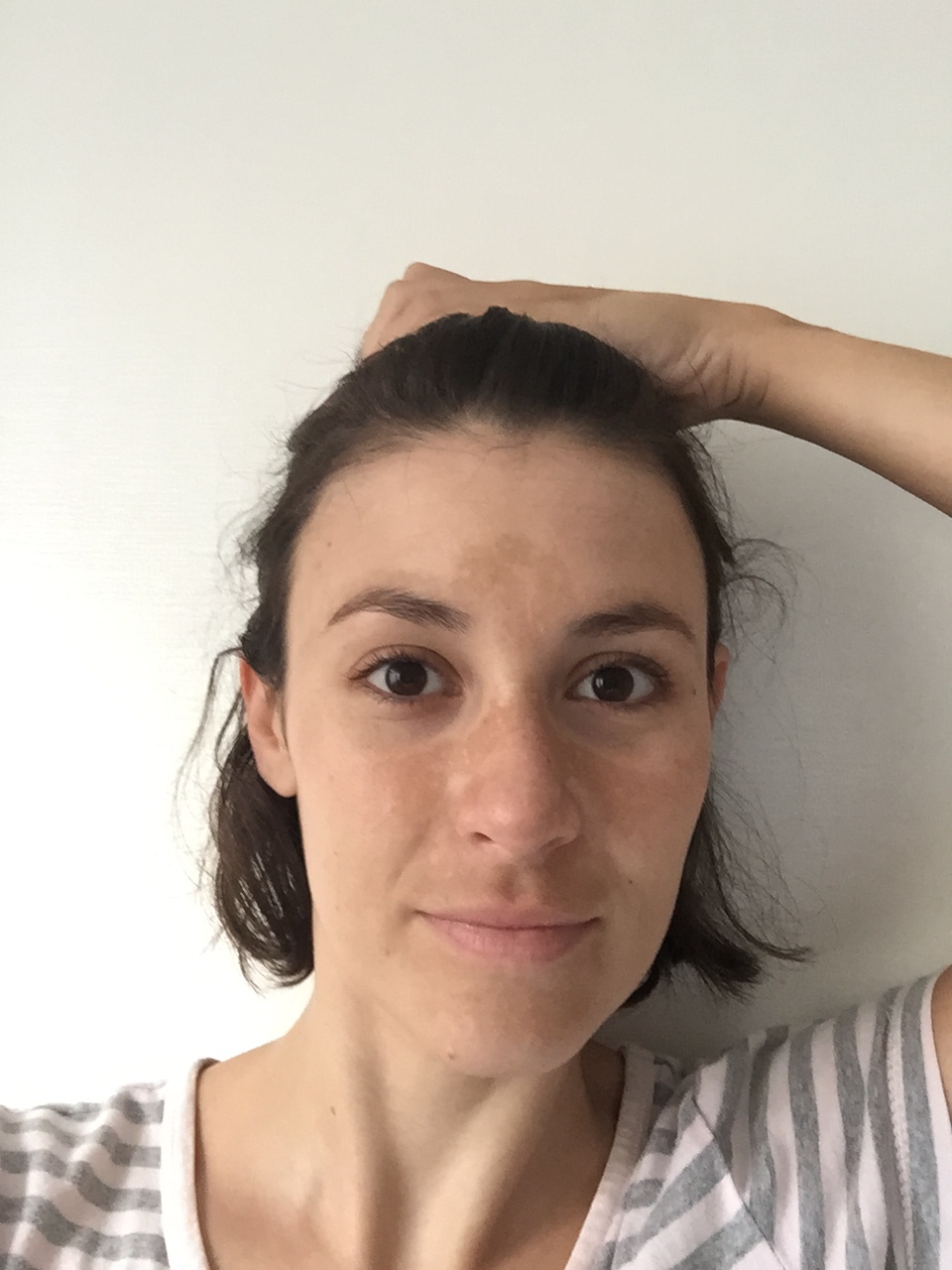
For my own skin, I suffer from pigmentation (click here to read about my new wonder product from Innisfree) and one of the main causes of skin pigmentation is sun exposure. Having grown up in a country that has plenty of year round sunshine (South Africa) I was exposed to A LOT of sun growing up, and even though my parents were very cautions and made ma layer up with cream and hats when outside, I still spent a lot of my teenage years baking myself outside to achieve the perfect tan. Now that I am older and wiser (and the first few wrinkle...ahem, I mean 'laugh' lines are appearing) I have been making sure to wear a face suncream every day, without fail, and have incorporated it into my beauty regime. It's something that is just not worth missing out on.
The Skin Cancer Foundation has the following to say about sunscreen:
Sunscreens are products combining several ingredients that help prevent the sun's ultraviolet (UV) radiation from reaching the skin. Two types of ultraviolet radiation, UVA and UVB, damage the skin, age it prematurely, and increase your risk of skin cancer.
UVB is the chief culprit behind sunburn, while UVA rays, which penetrate the skin more deeply, are associated with wrinkling, leathering, sagging, and other light-induced effects of aging (photo-aging). They also exacerbate the carcinogenic effects of UVB rays, and increasingly are being seen as a cause of skin cancer on their own. Sunscreens vary in their ability to protect against UVA and UVB.
What about SPF?
Most sunscreens with an SPF of 15 or higher do an excellent job of protecting against UVB. SPF — or Sun Protection Factor — is a measure of a sunscreen's ability to prevent UVB from damaging the skin. Here's how it works: If it takes 20 minutes for your unprotected skin to start turning red, using an SPF 15 sunscreen theoretically prevents reddening 15 times longer — about five hours.
Another way to look at it is in terms of percentages: SPF 15 filters out approximately 93 percent of all incoming UVB rays. SPF 30 keeps out 97 percent and SPF 50 keeps out 98 percent. They may seem like negligible differences, but if you are light-sensitive, or have a history of skin cancer, those extra percentages will make a difference. And as you can see, no sunscreen can block all UV rays.
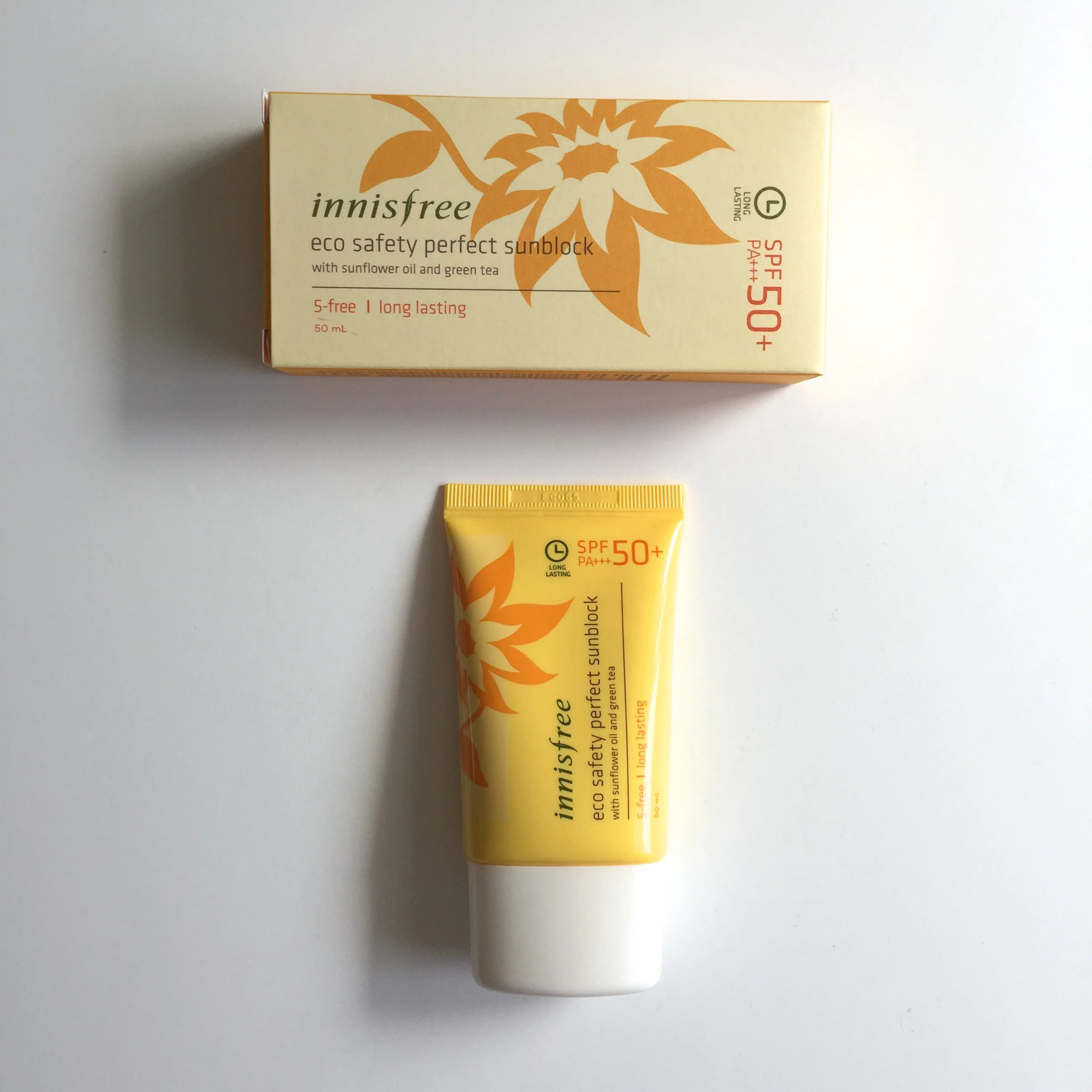
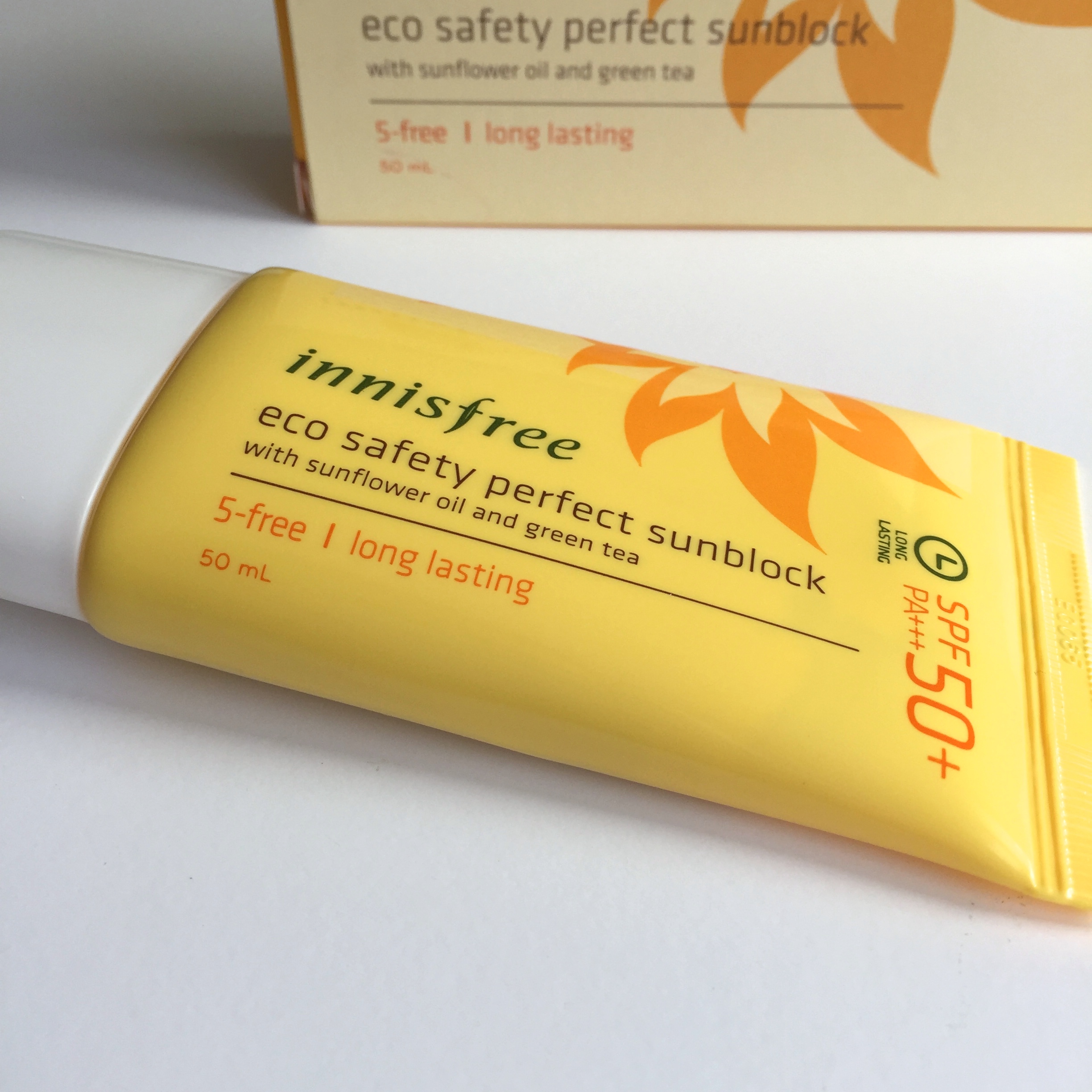
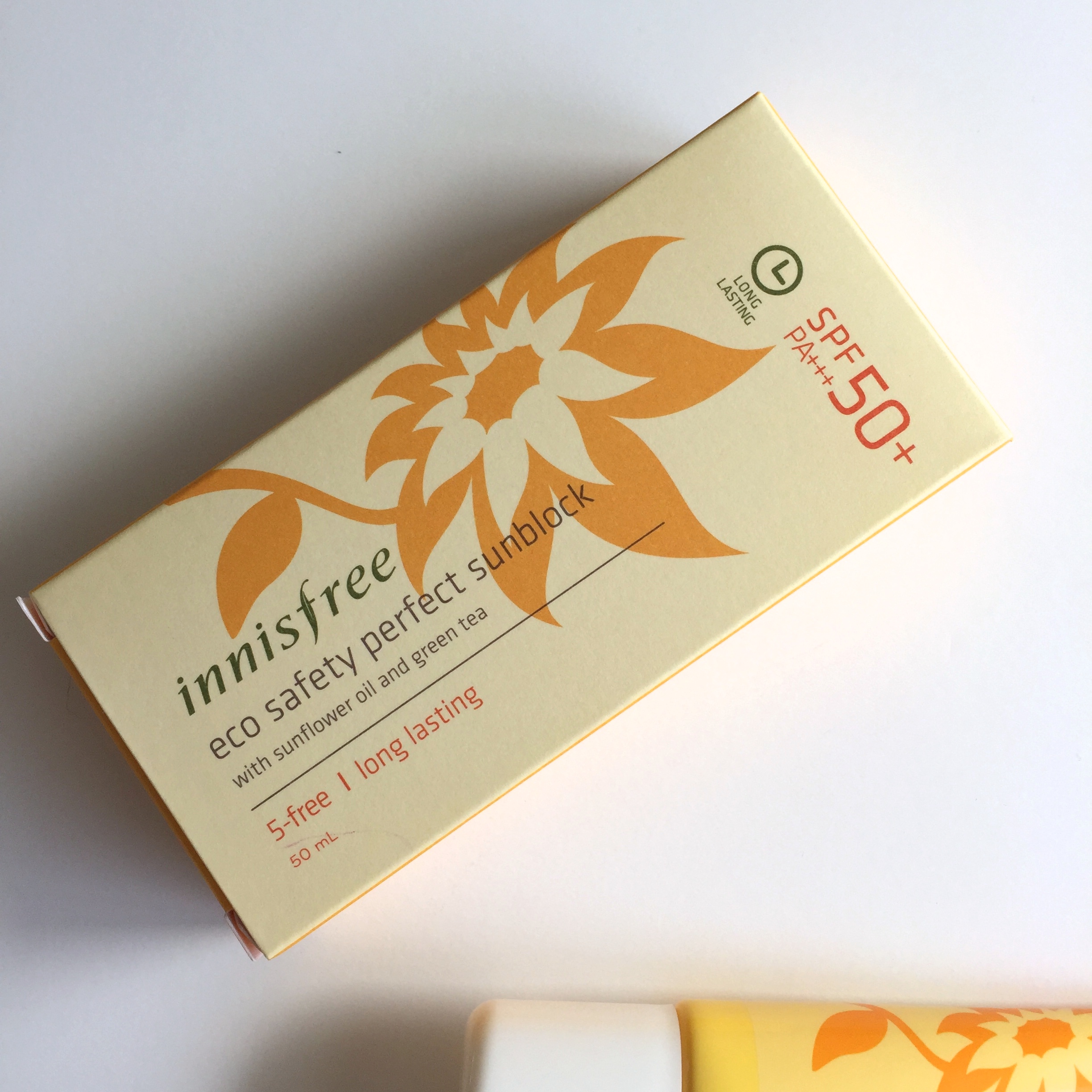
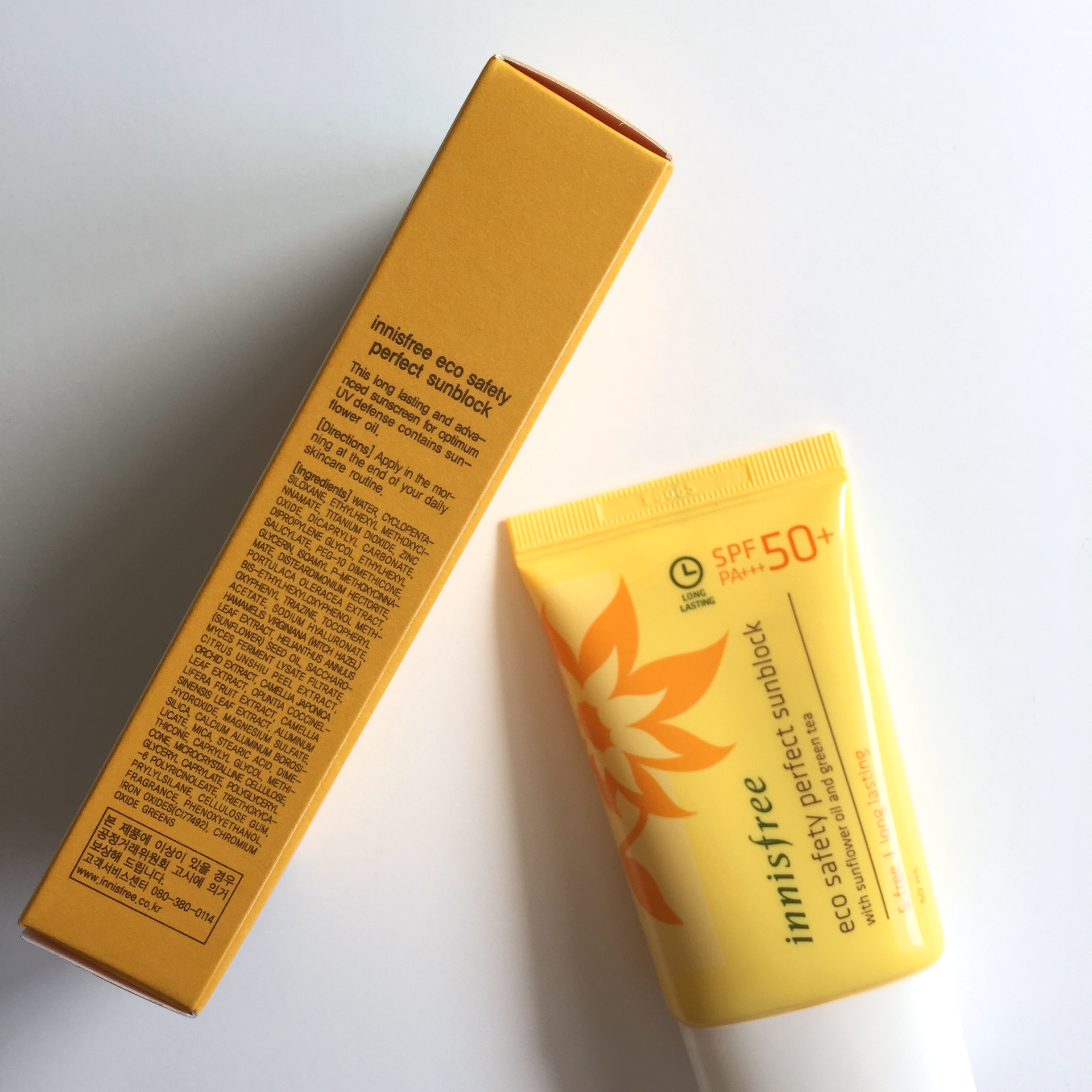
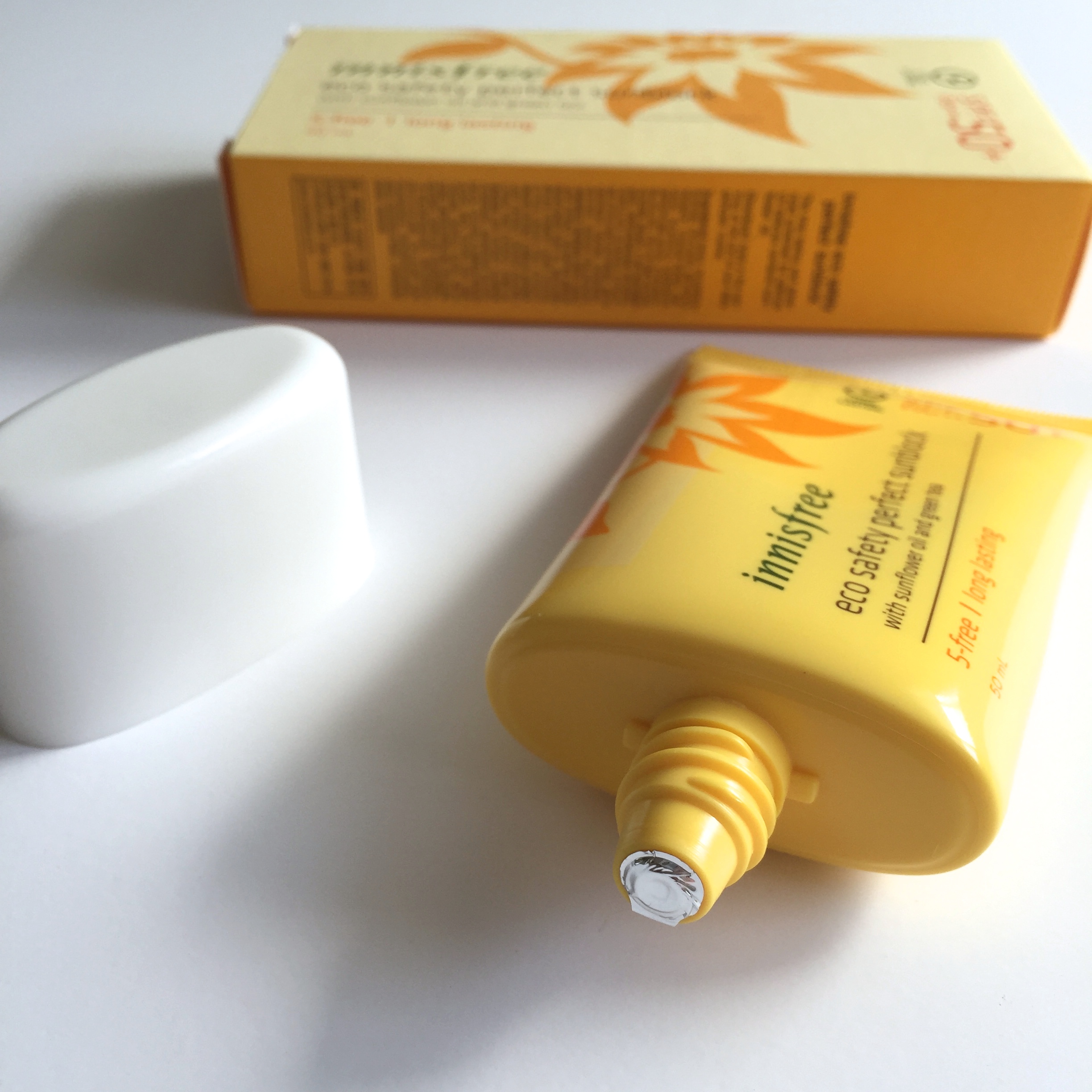
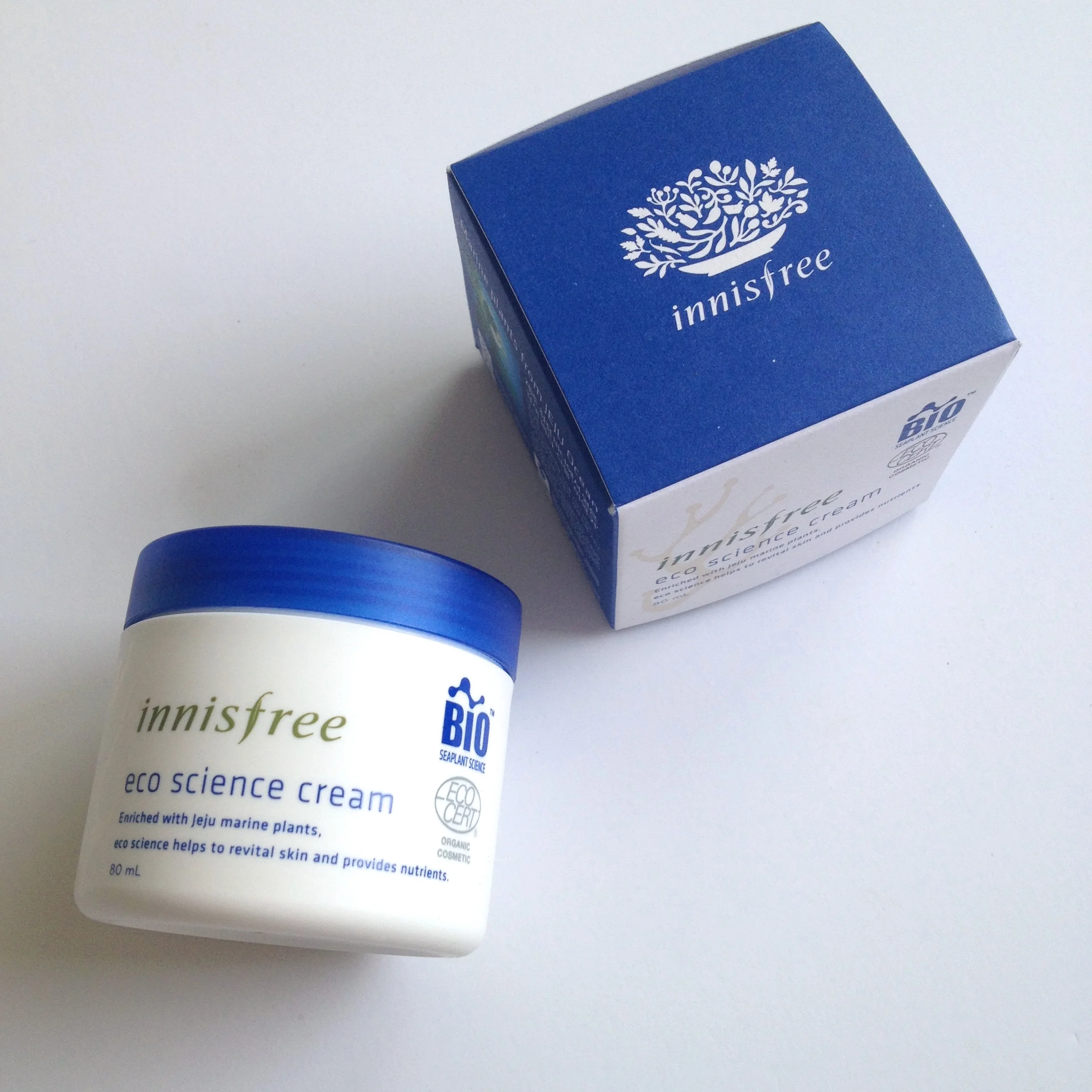
Thankfully, these days, suncreams are no longer these thick lotions that turn you a ghostly shade of pale, and there are so many skin care lines that are producing suncreams with various properties. I have always been a BIG fan of the FaceShop's range of suncreams (like their Oil Cut range which is great for oilier skin and provides a matte finish) and ha been alternating between that and their Natural Sun Eco Power Long Lasting Suncream. That was until I tried the Eco Safety Perfect Sunblock from Innisfree.






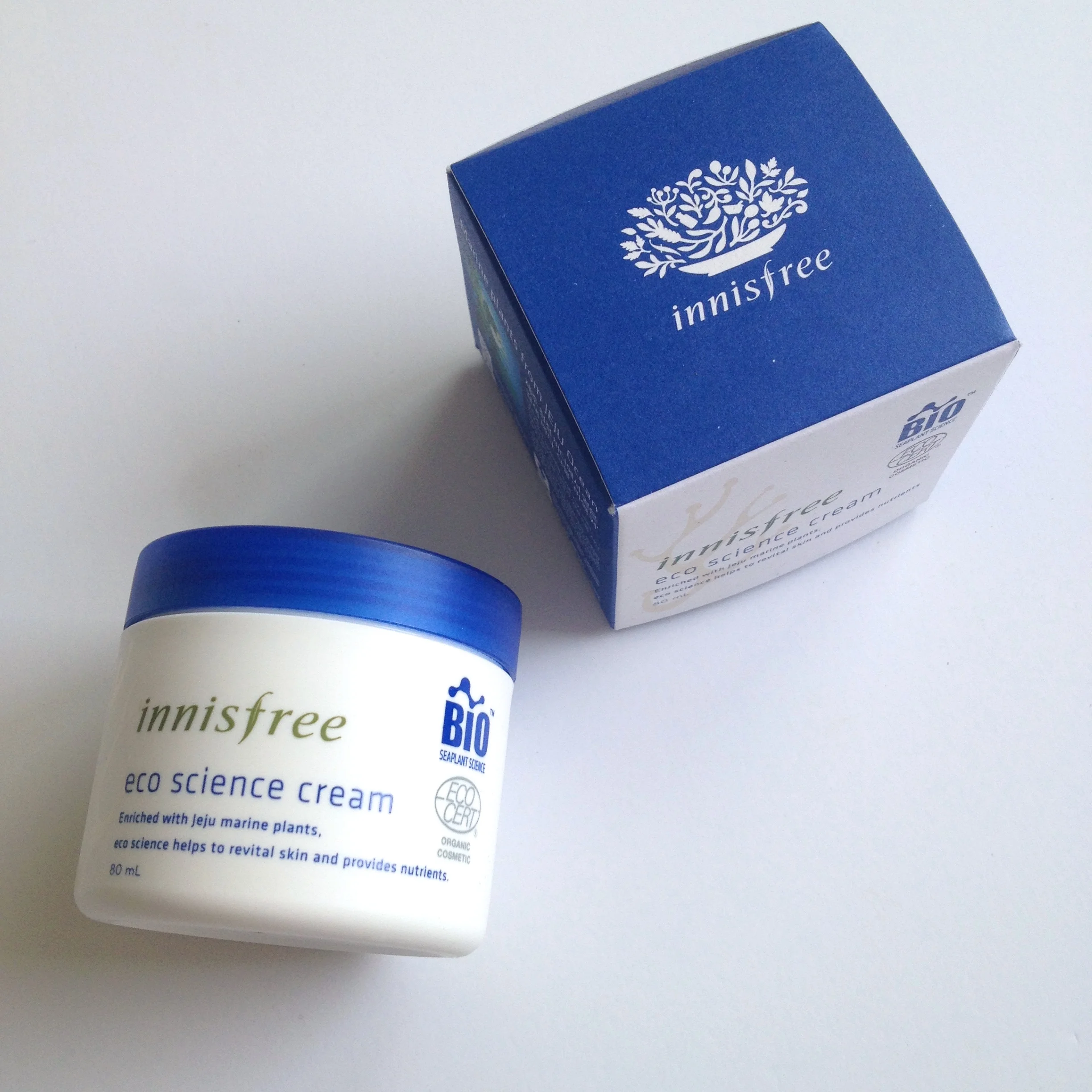
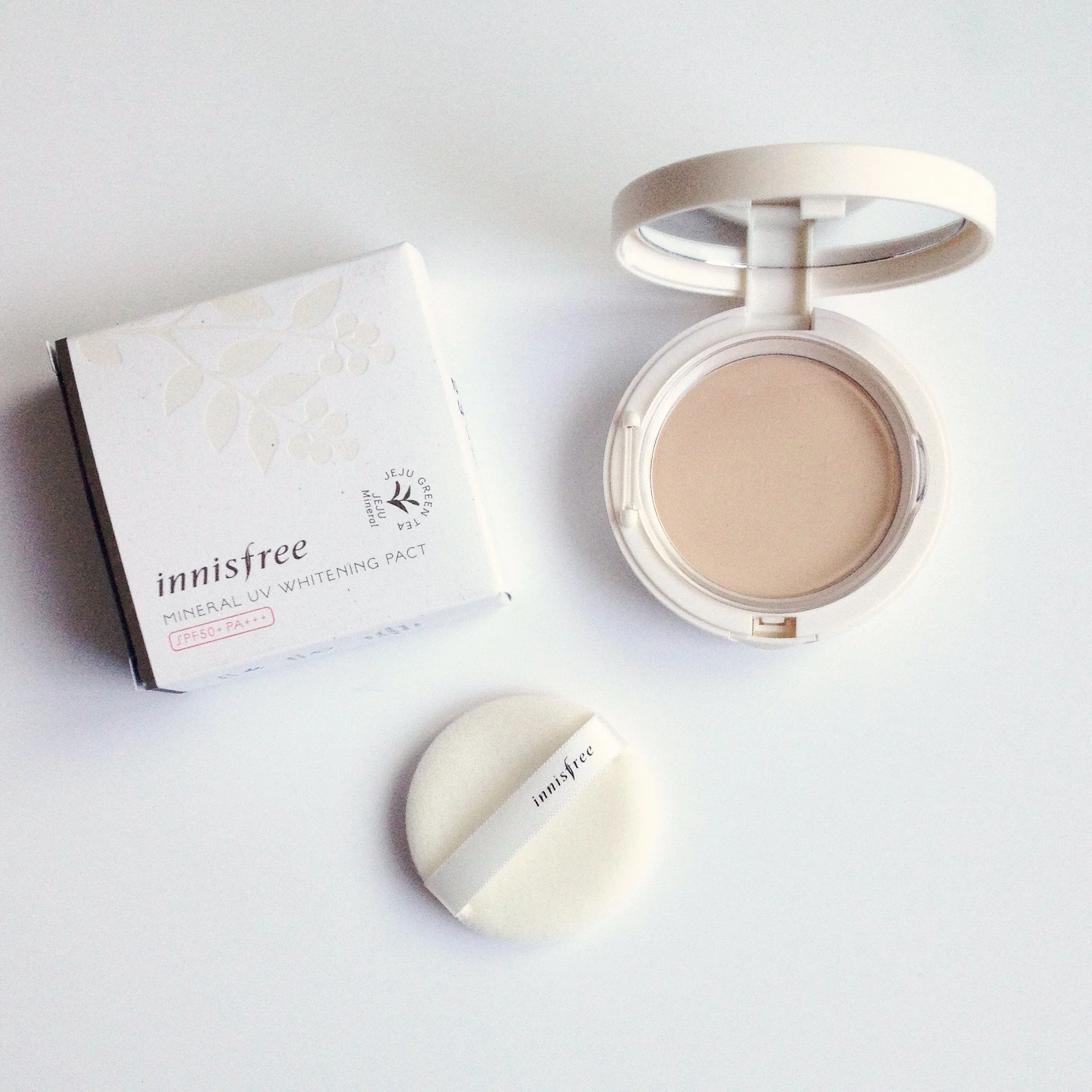
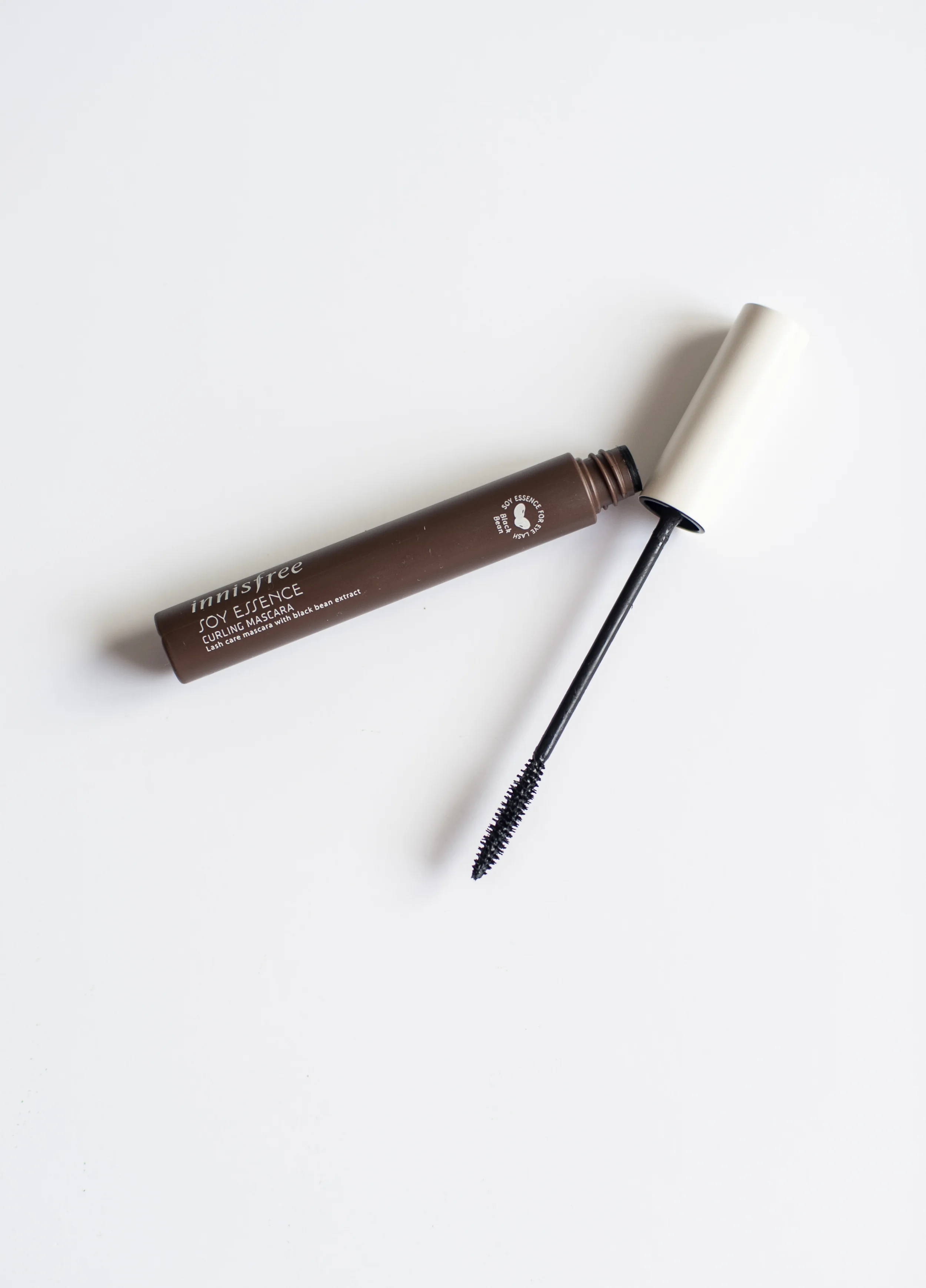


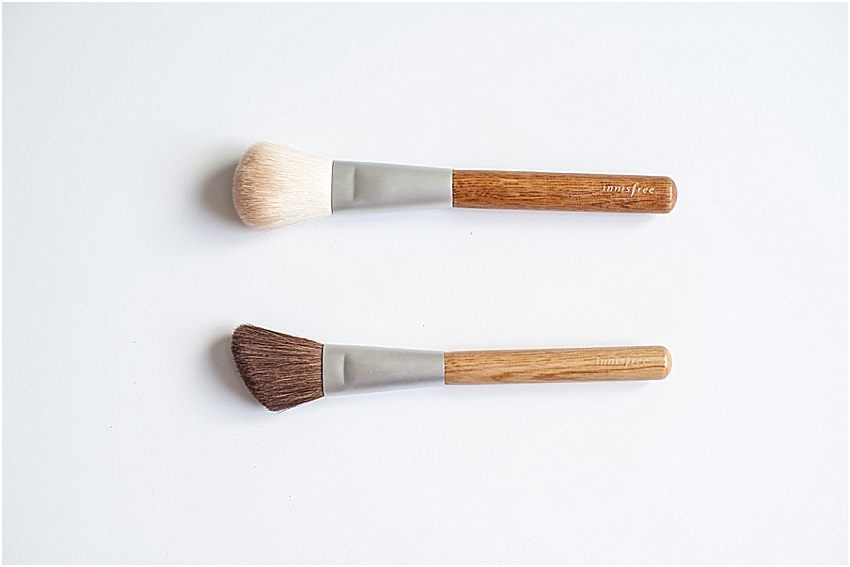






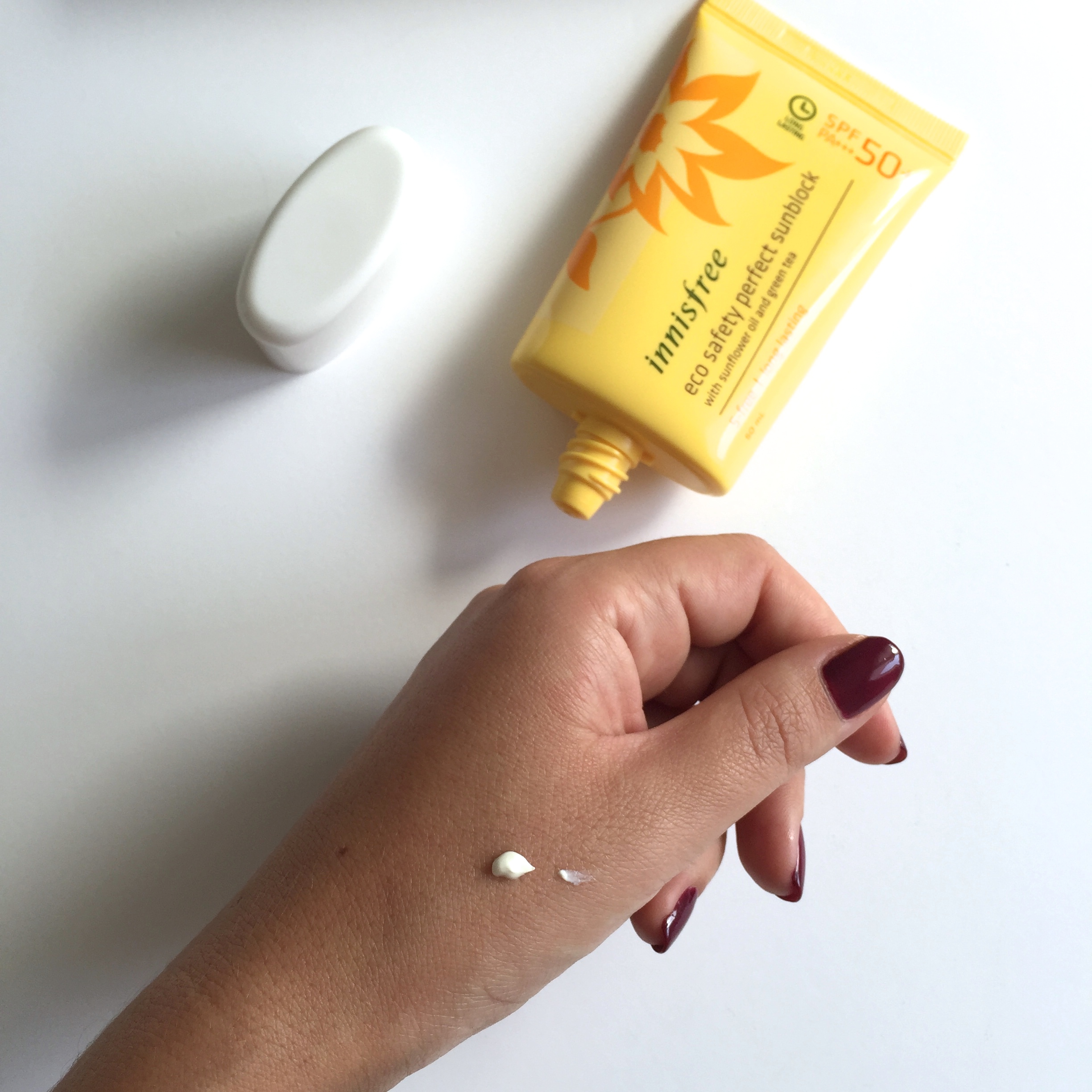
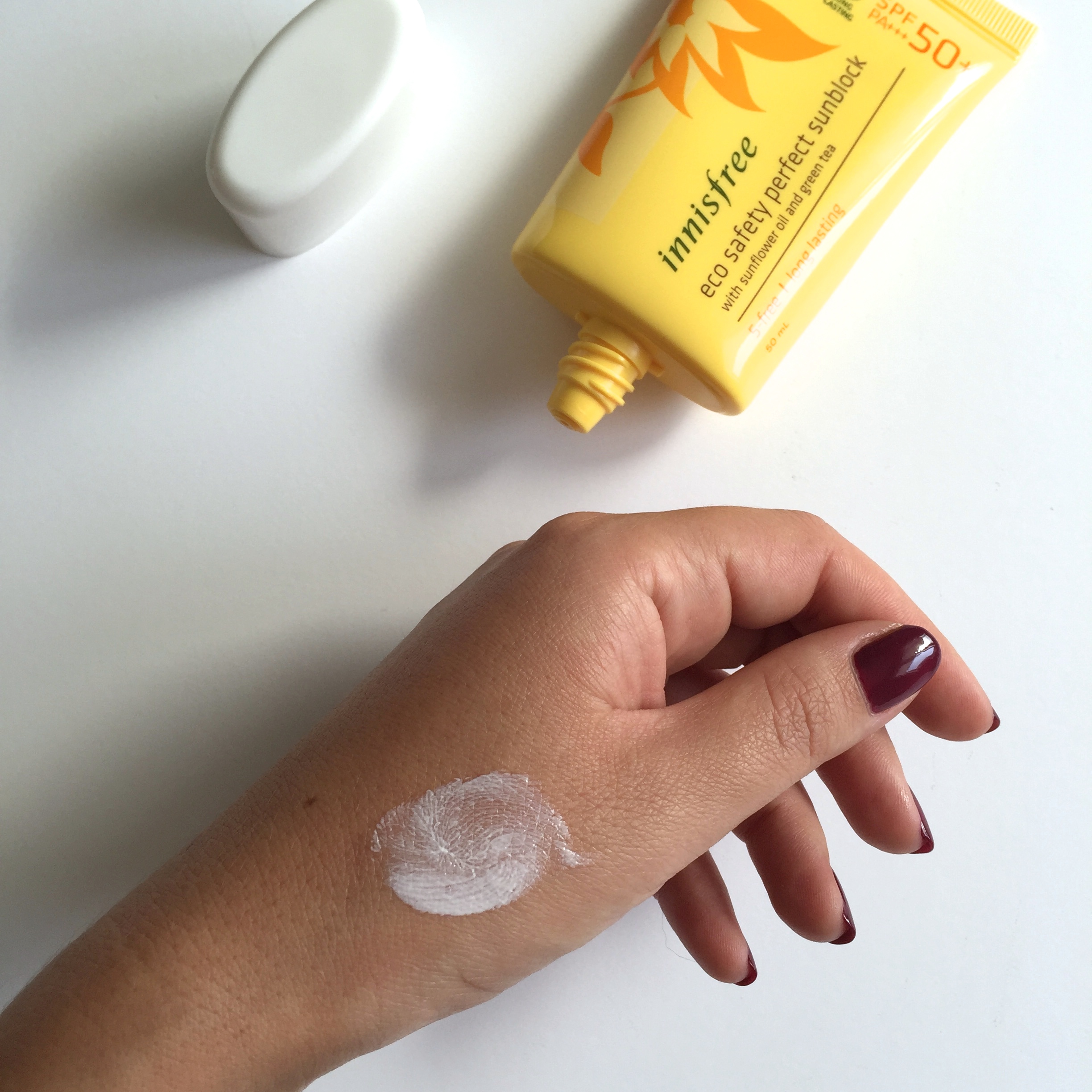
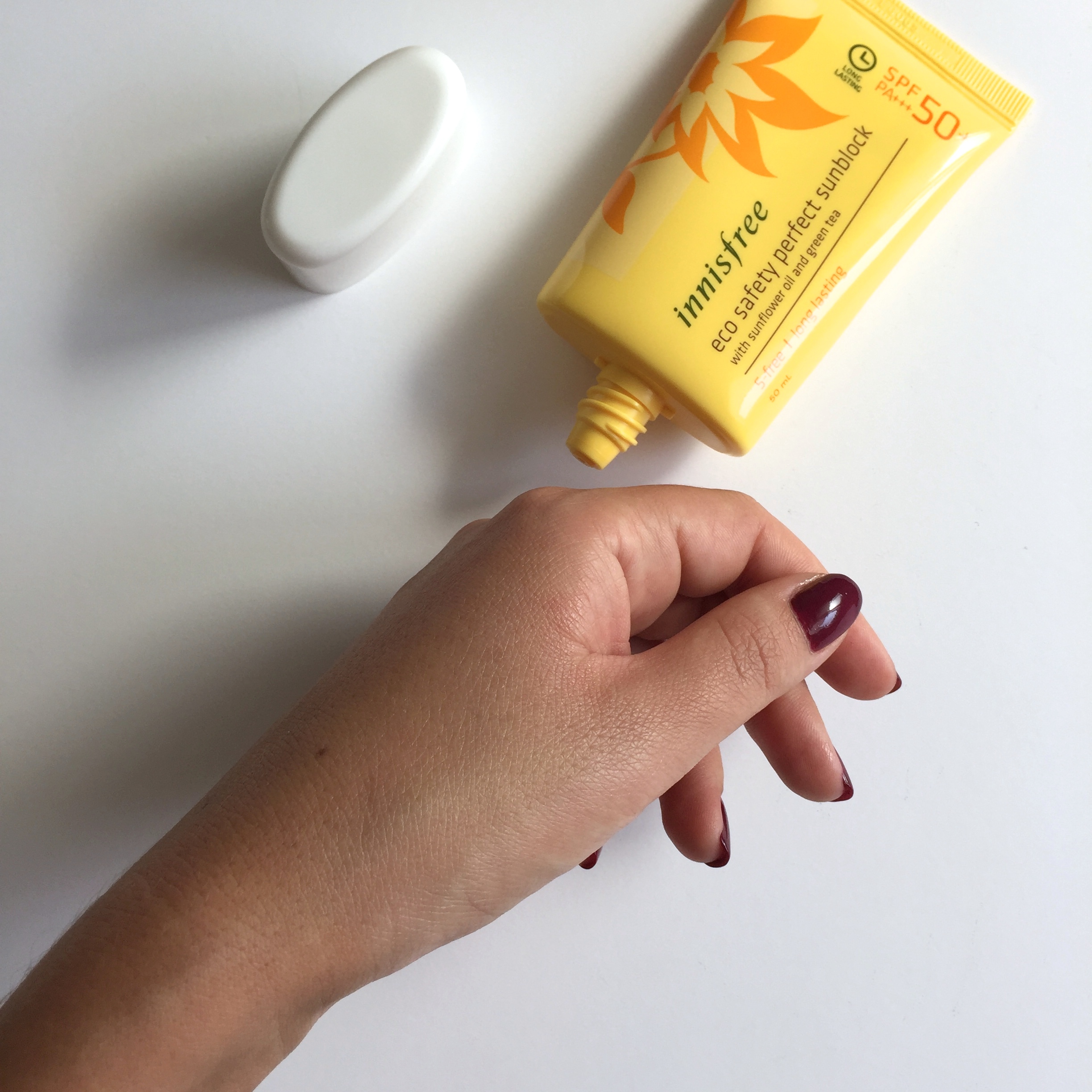
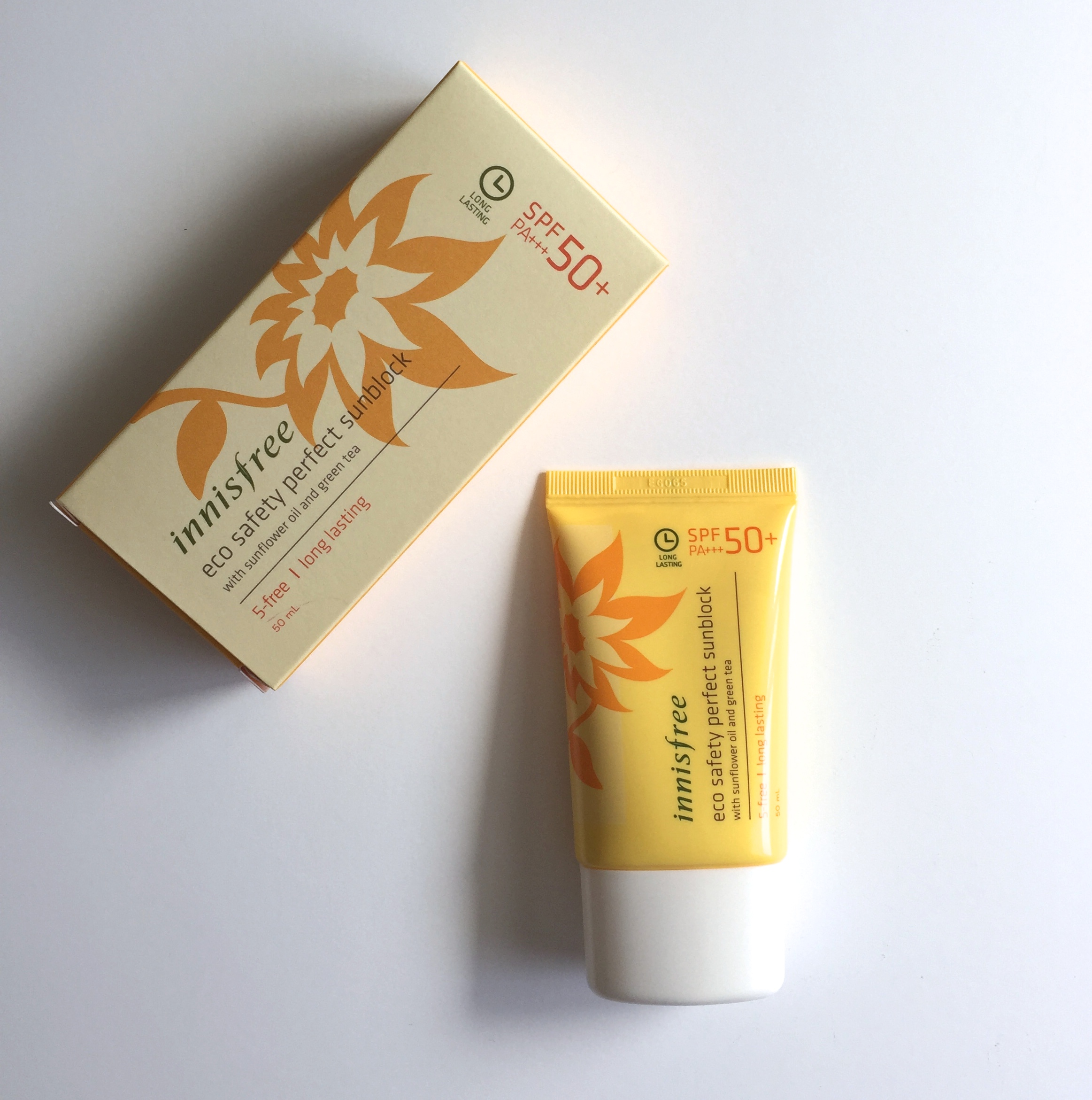










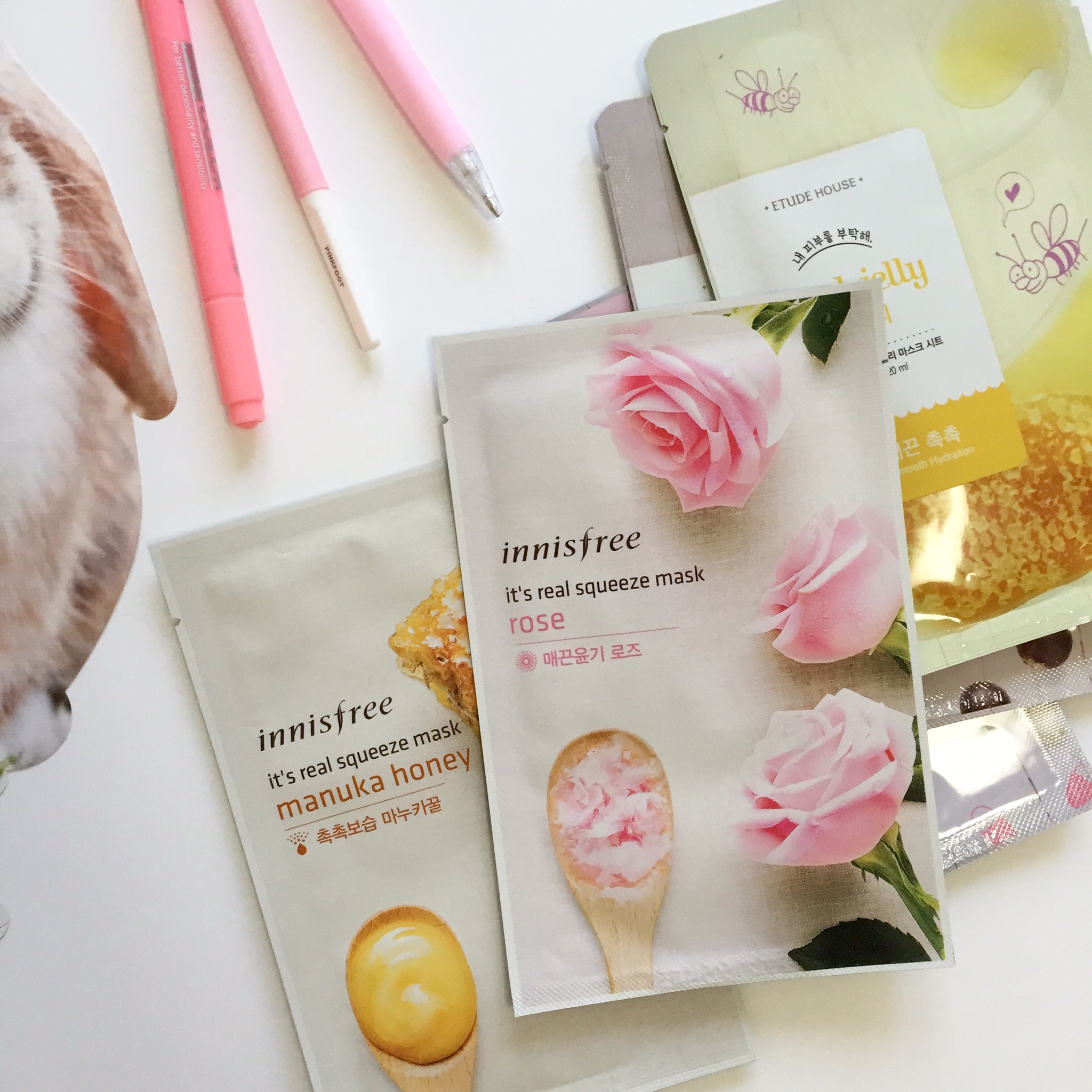


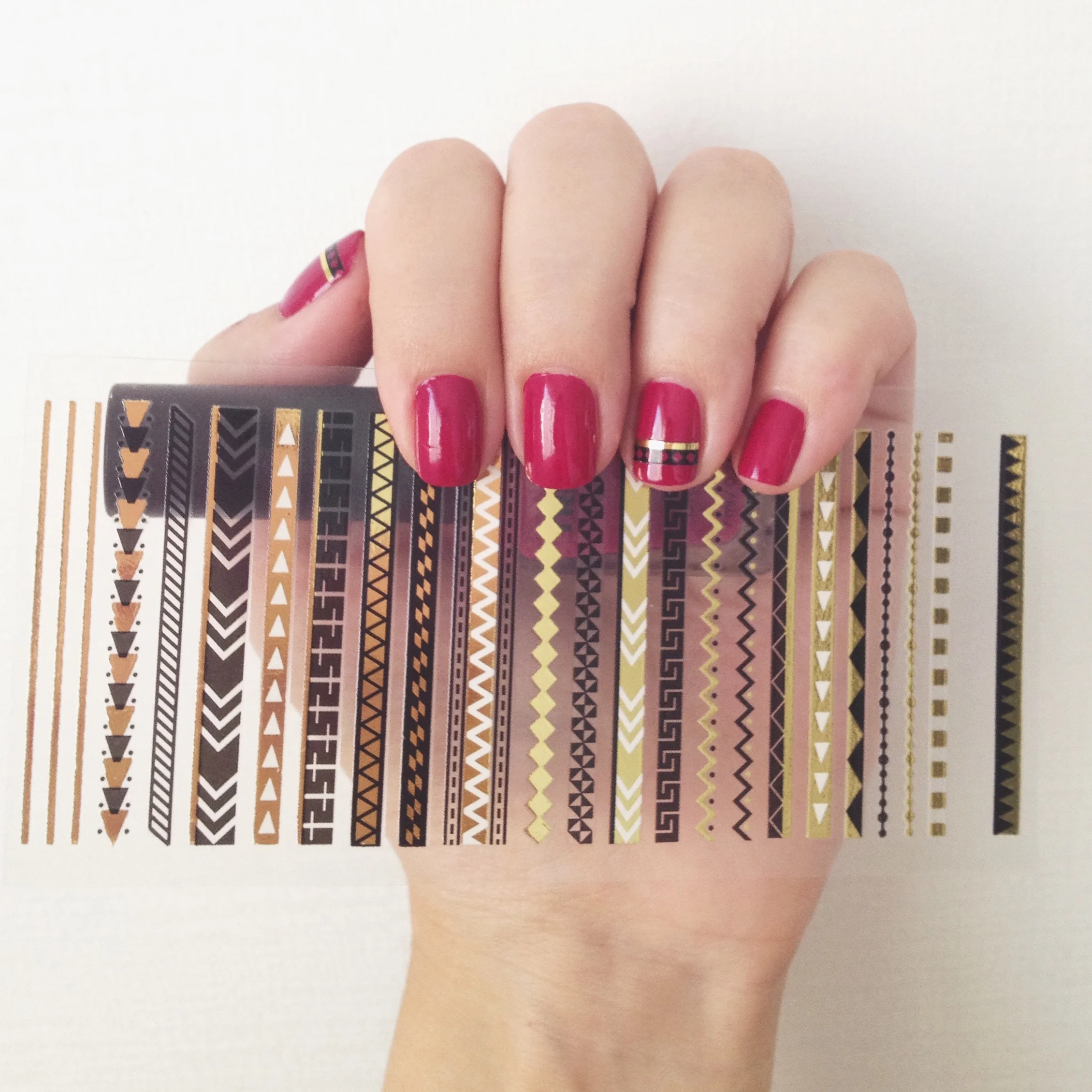











It's been a very long time since I bought anything from Skinfood. I think the last purchase I made was a repurchase of their signature Black Sugar Serum (and that was back in 2014!). South Korea is well known for their cutesy packaging and beautifully designed products, and more importantly, for how effective their products are. It takes just a moment of looking around at the women here to be able to see how beautifully cared for their skin is. A large reason their skin looks the way it does is because of protecting their faces (and every other body part) form the sun, but they also spend a lot of time and effort on their beauty routines (do you remember my post on the 10 Step Korean Skincare routine?).
There are so many Korean skincare and beauty brands, and each of them is associated with something unique. Etude House is know for it's very cutesy and girly packaging, Missha is seen as a higher end brand, Tony Moly is what all the school girls favor and Innsifree is seen as the Eco-friendly flagship brand. I always saw Skinfood as one of the cheaper brands, more so when it came to quality than actual price. Most of the products from Etude, Tony Moly and Skinfood are actually priced very similarly but from the look of their packaging, I wasn't really blown away.