

Where to see the Autumn/Fall Leaves in Korea 2015
/
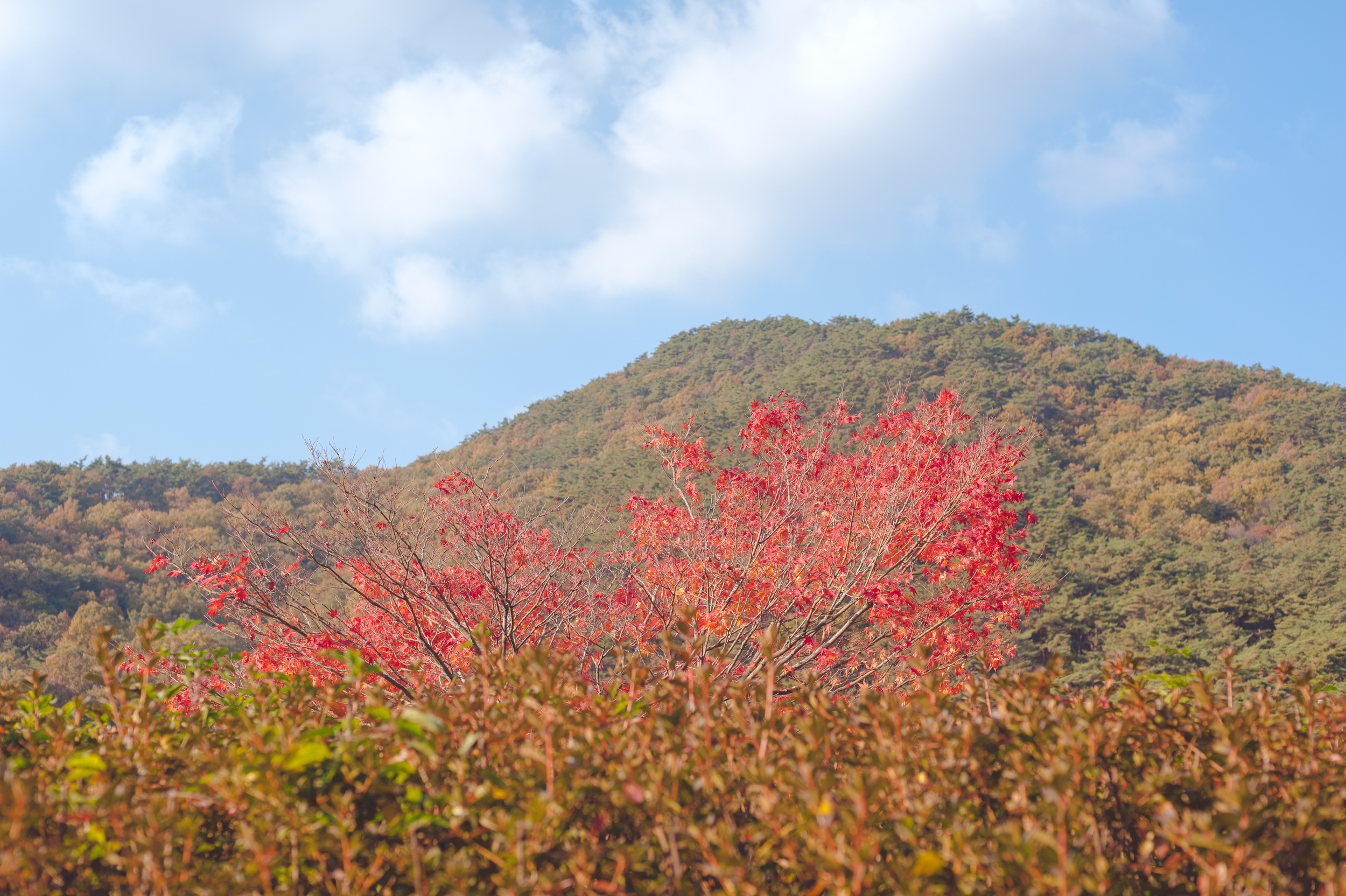
Typically, mid-October into early November is the peak time to see the leaves turning here in Korea. But this year, the leaves have begun to change earlier than expected.
Just as wonderful as the spring blossoms (click here) the Autumn/Fall foliage is breathtaking. For us South Africans, we just don't get sights like this back home. The trees turn of course, but it's just nothing like the sea of red and yellow that greets you here in Korea.
The four most popular mountains (and therefore the busiest!) places to see the Autumn colours are Naejangsan (내장산) just outside of the town of Jeongeup, Jirisan (지리산) which is close to Namwon, Seoraksan (석악산) in Gangwon Province and Gwanaksan (관악산) which is closer to Seoul.
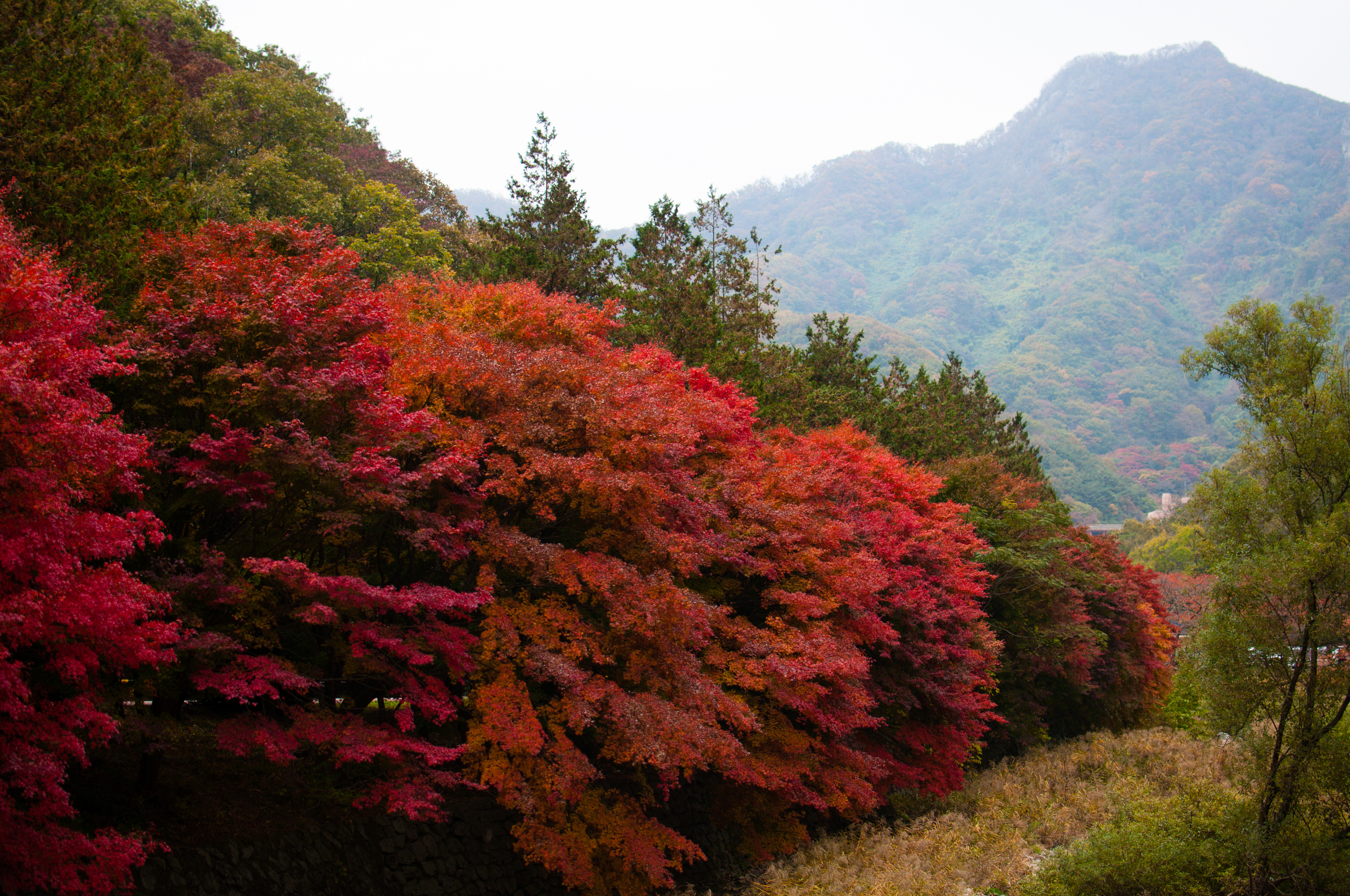
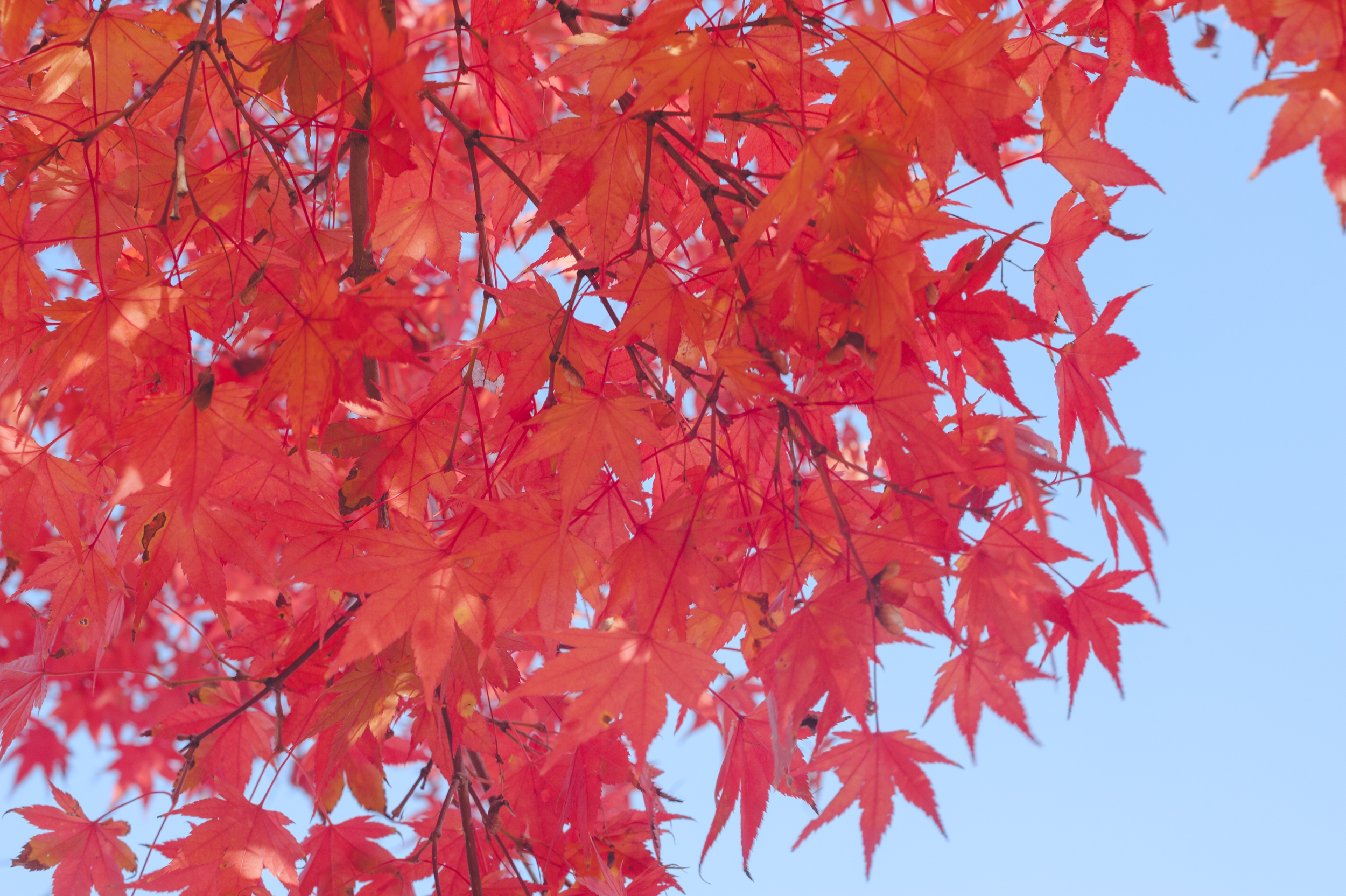
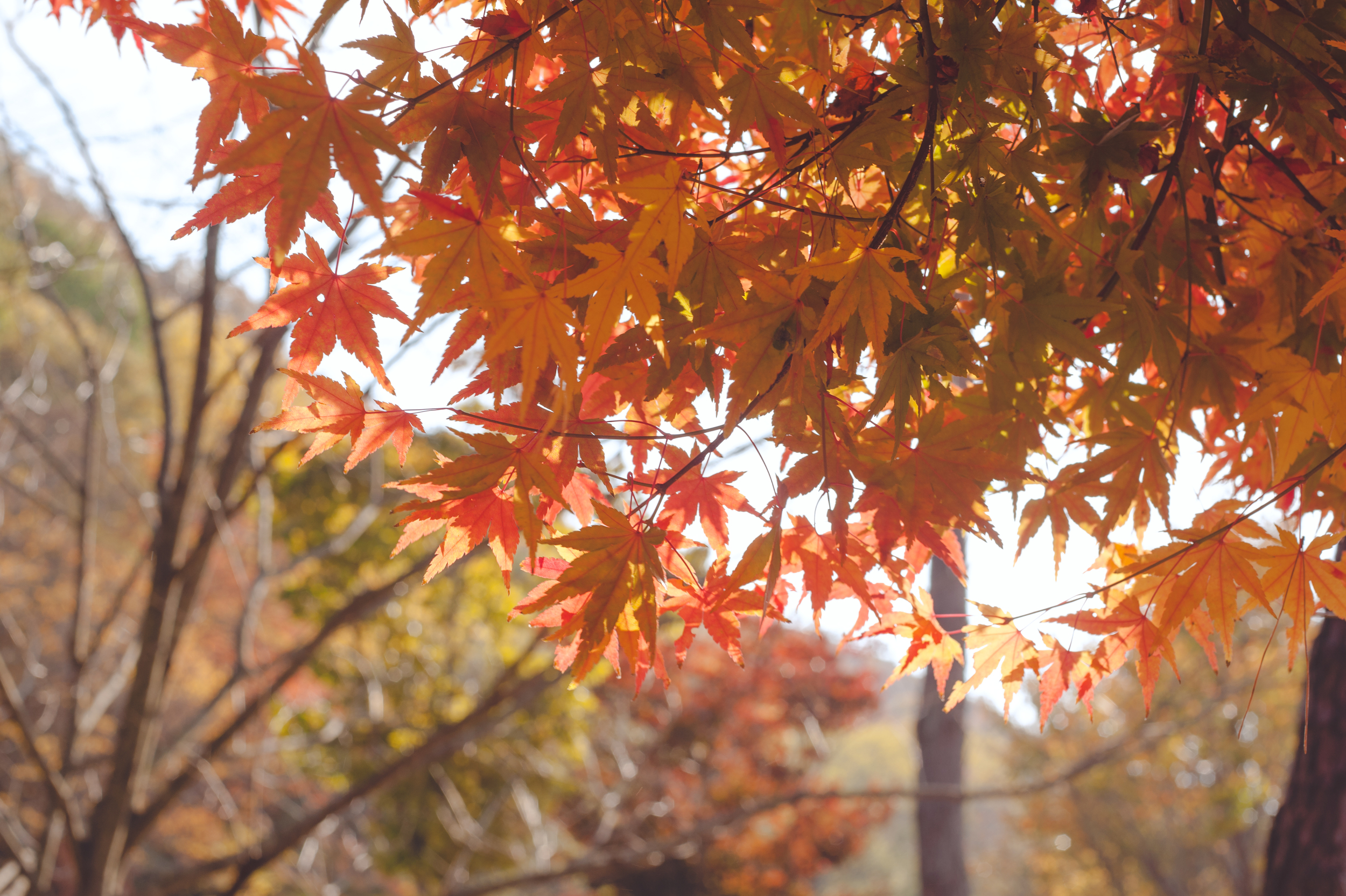
We made it to Naejangsan (pictured below) in 2013 and and last year I took some photographs at Seonunsan, just outside Gochang (pictured at the bottom of this post).
As with many outdoor activities here in Korea, be prepared for the crowds! We were stuck on a bus for 2 hours making our way to Naejangsan, due to the hoards of people and cars, and eventually jumped off the bus and decided to walk the 5km road from the base of the mountain to the actual main viewing. It was a logistical nightmare. But, as long as you know it's going to be chaos and you are prepared for that, you will be rewarded with stunning sights. Seoununsan is much quieter, and offers just as much beauty as Naejangsan.
Here is a map of the expected Autumn/Fall foliage here in Korea:

Naejangsan (Jeongeup, Jeollobokdo)
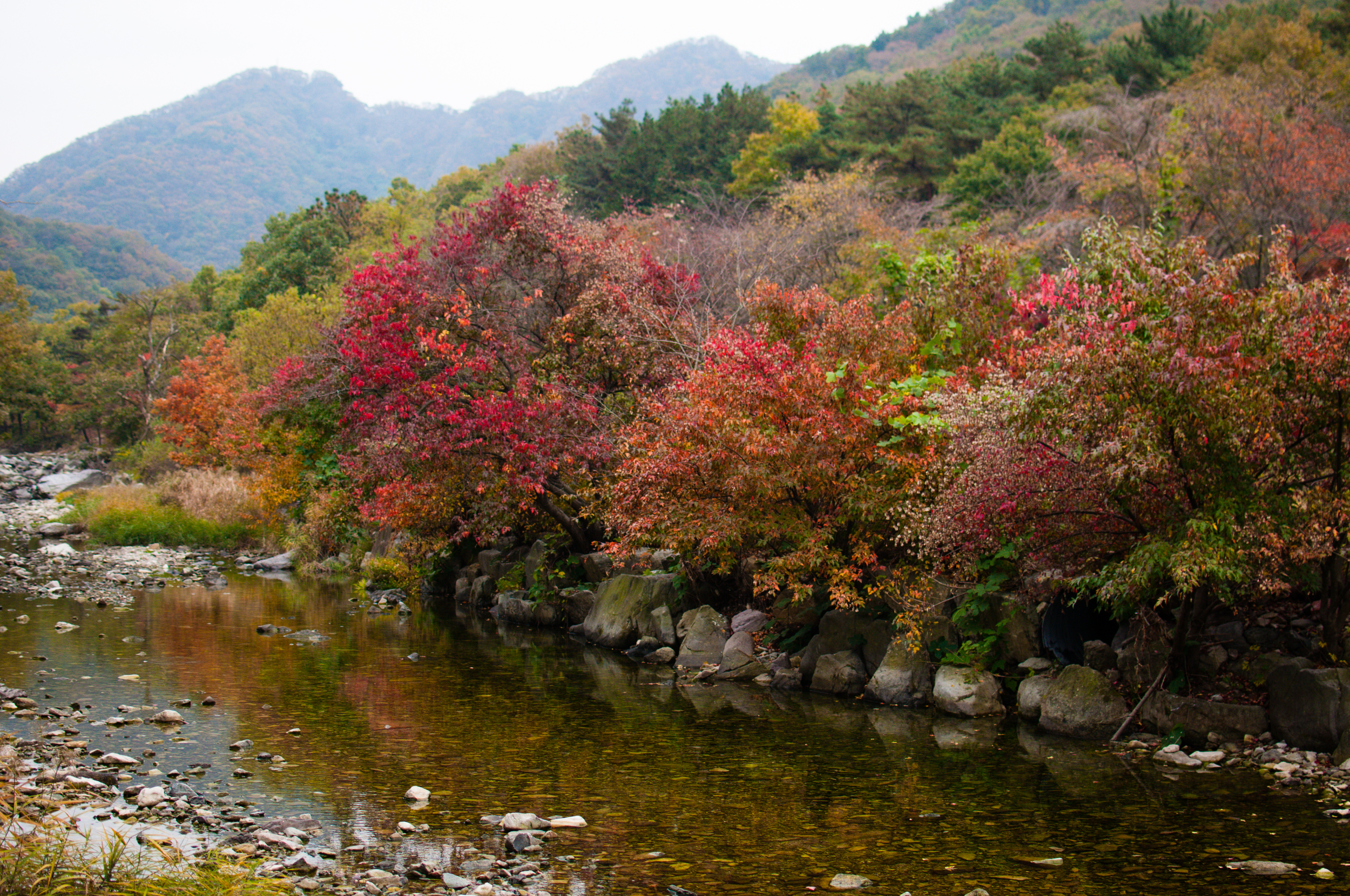
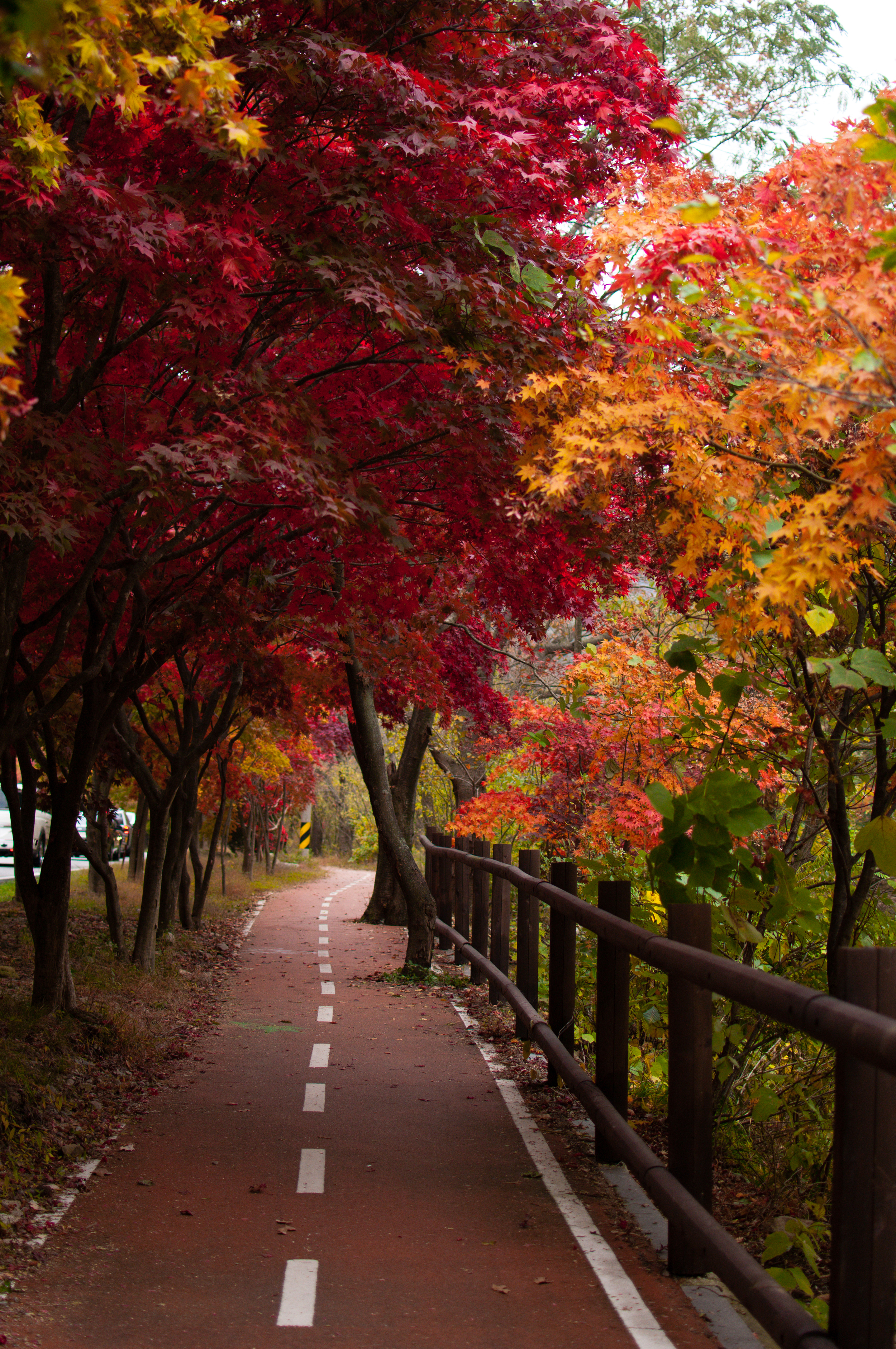
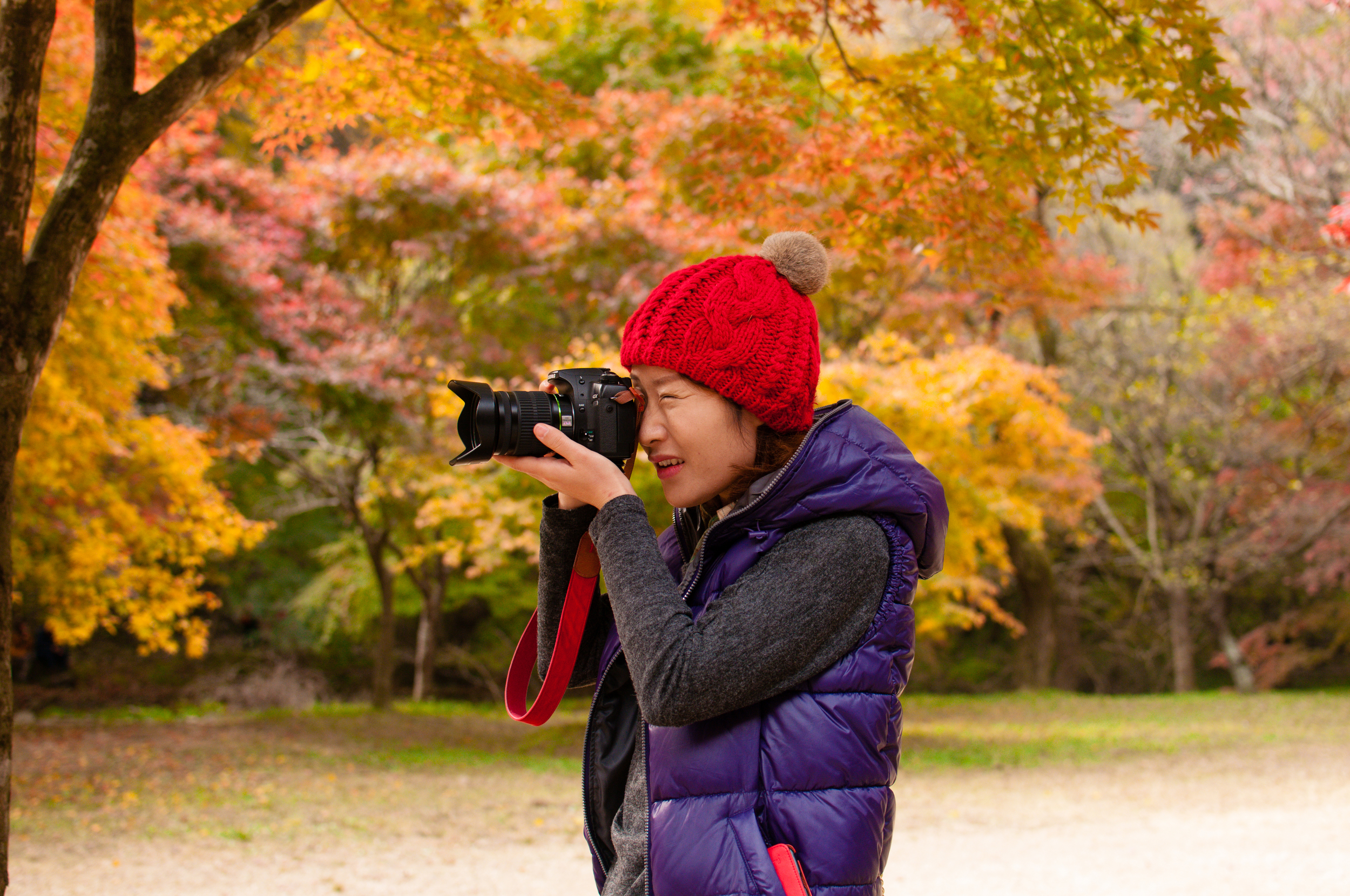
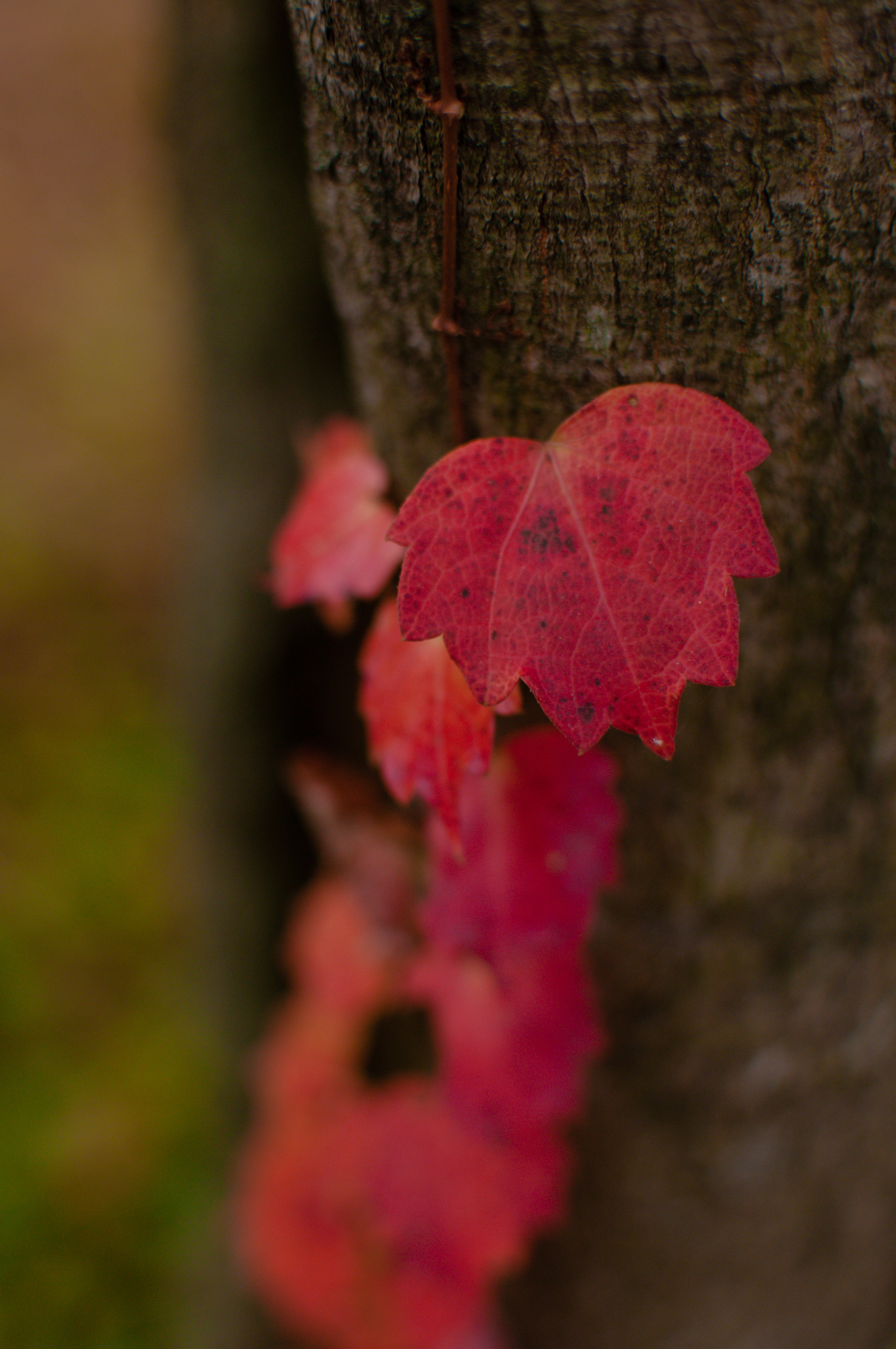
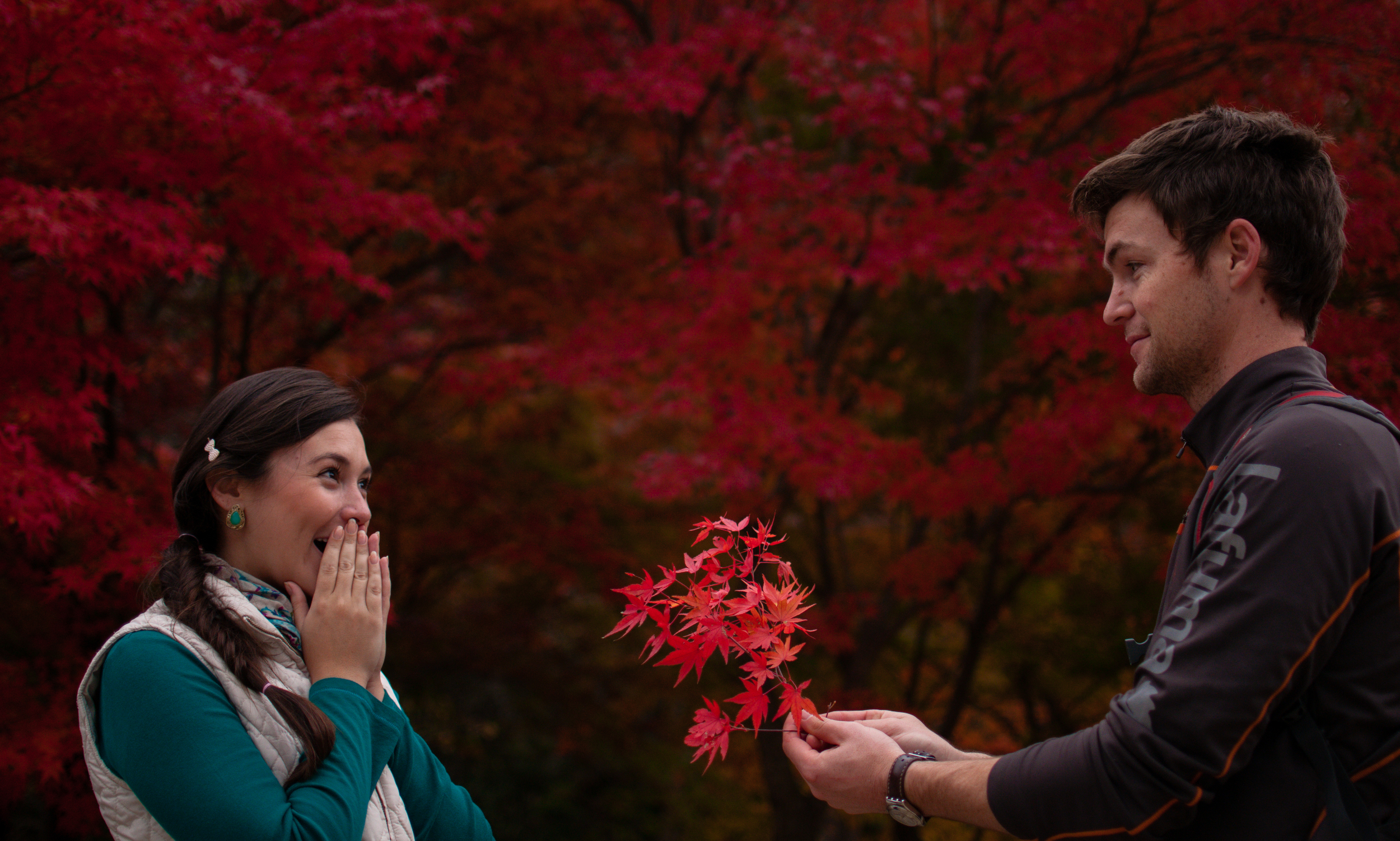
Seonunsan, Gochang Jeollobokdo
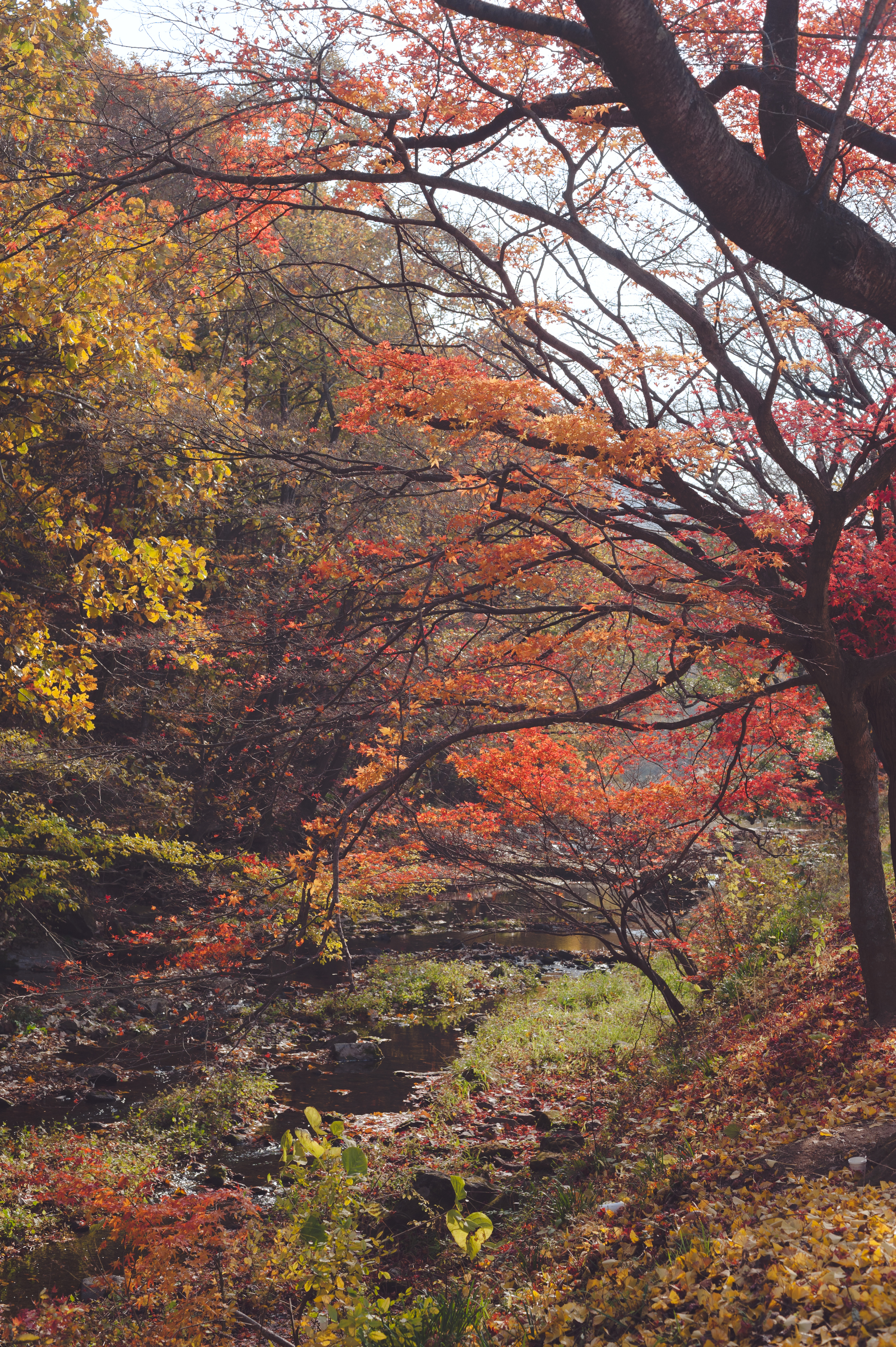
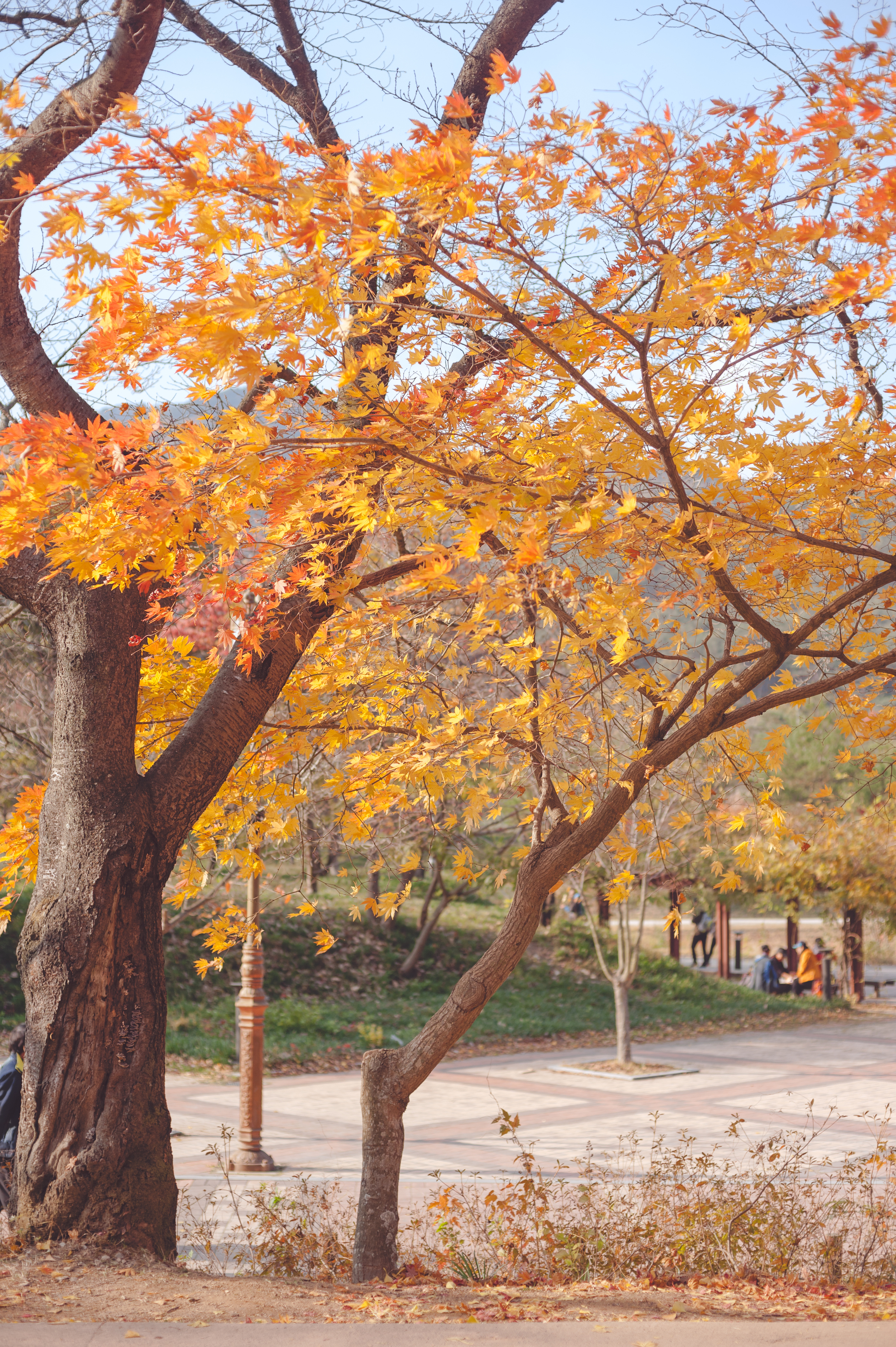
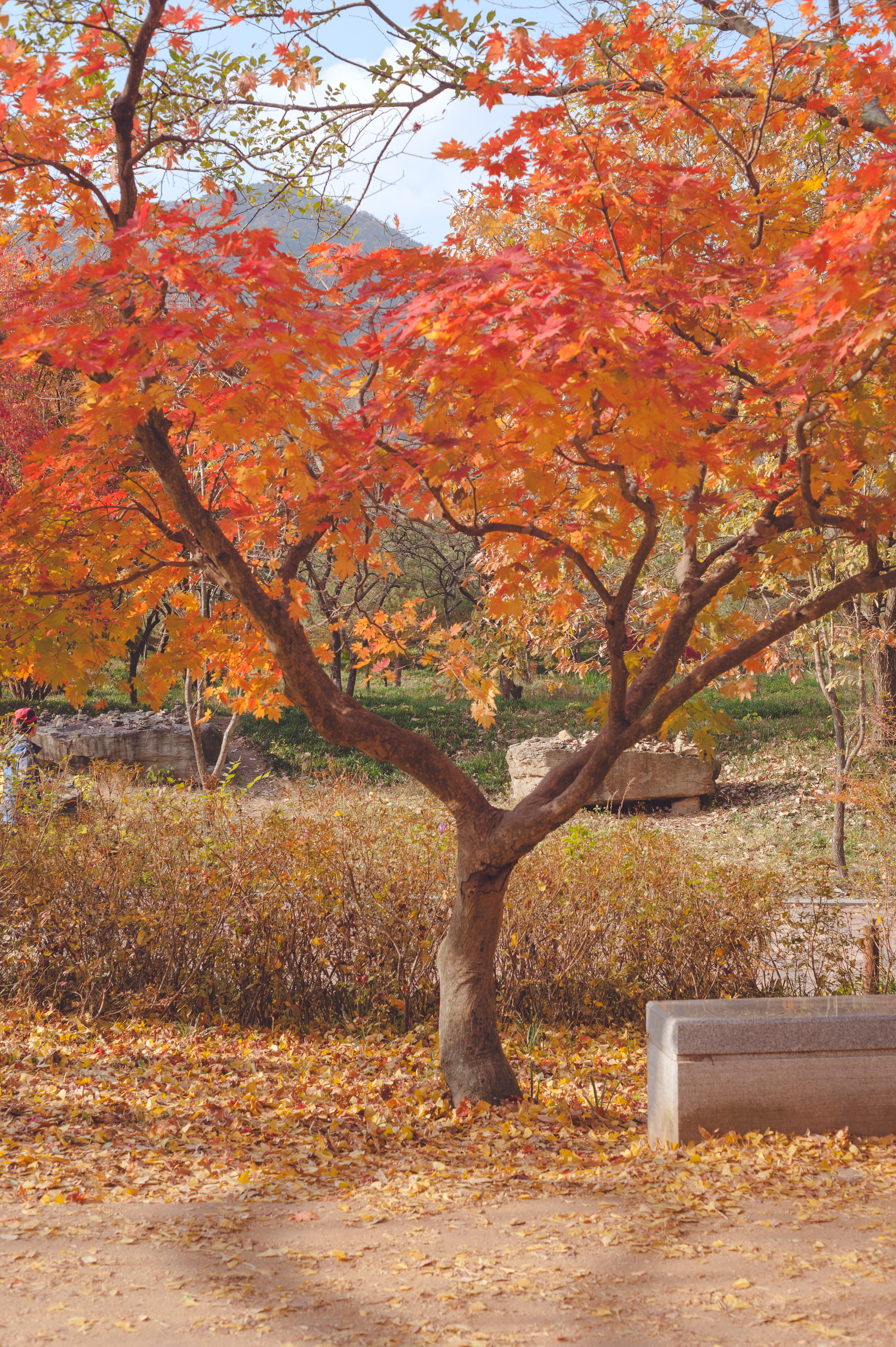

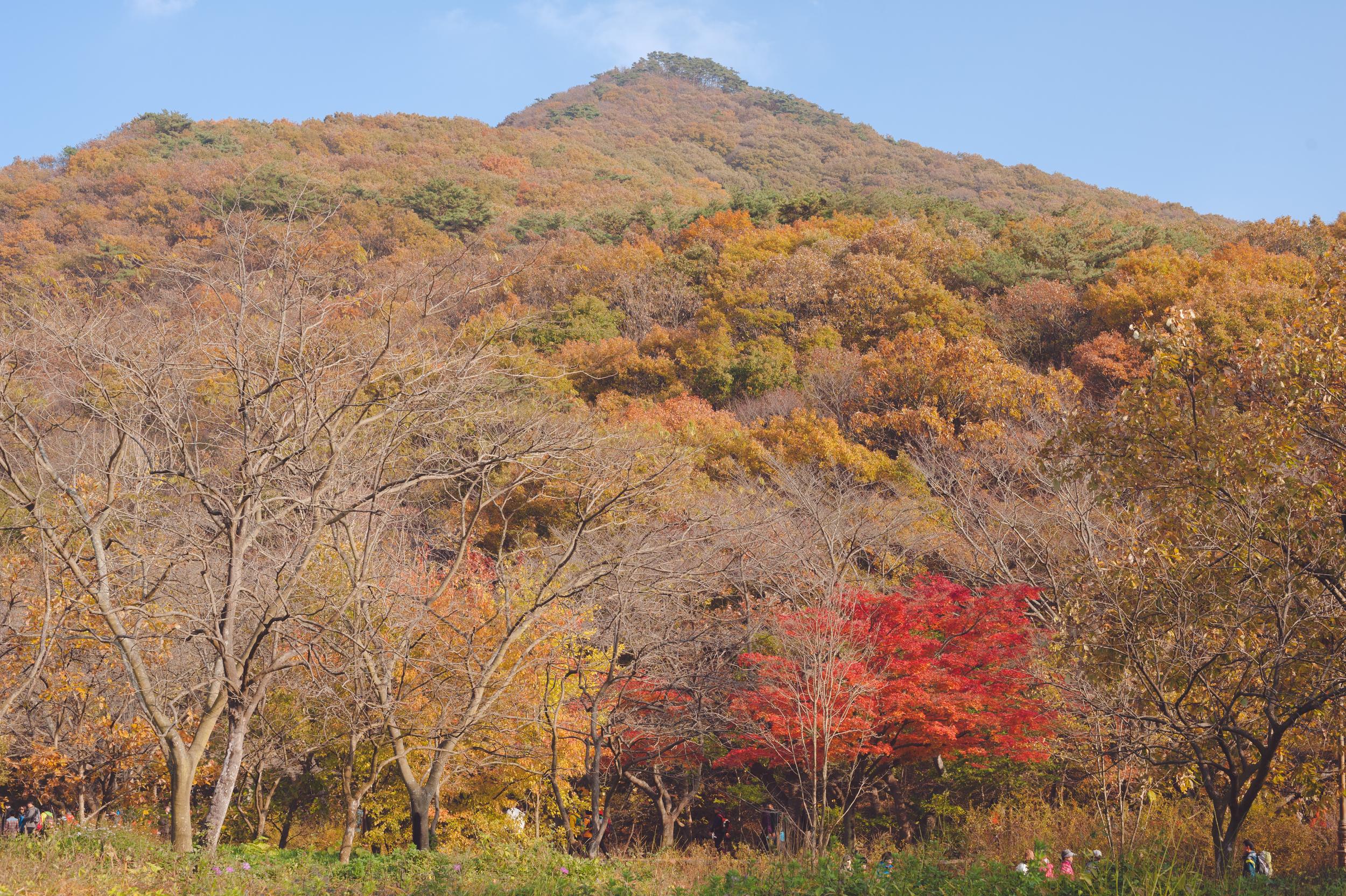

Do you have any recommendations of places to see the foliage here in Korea? Any secret spots you've been to? I'd love to hear from you in the comments below.


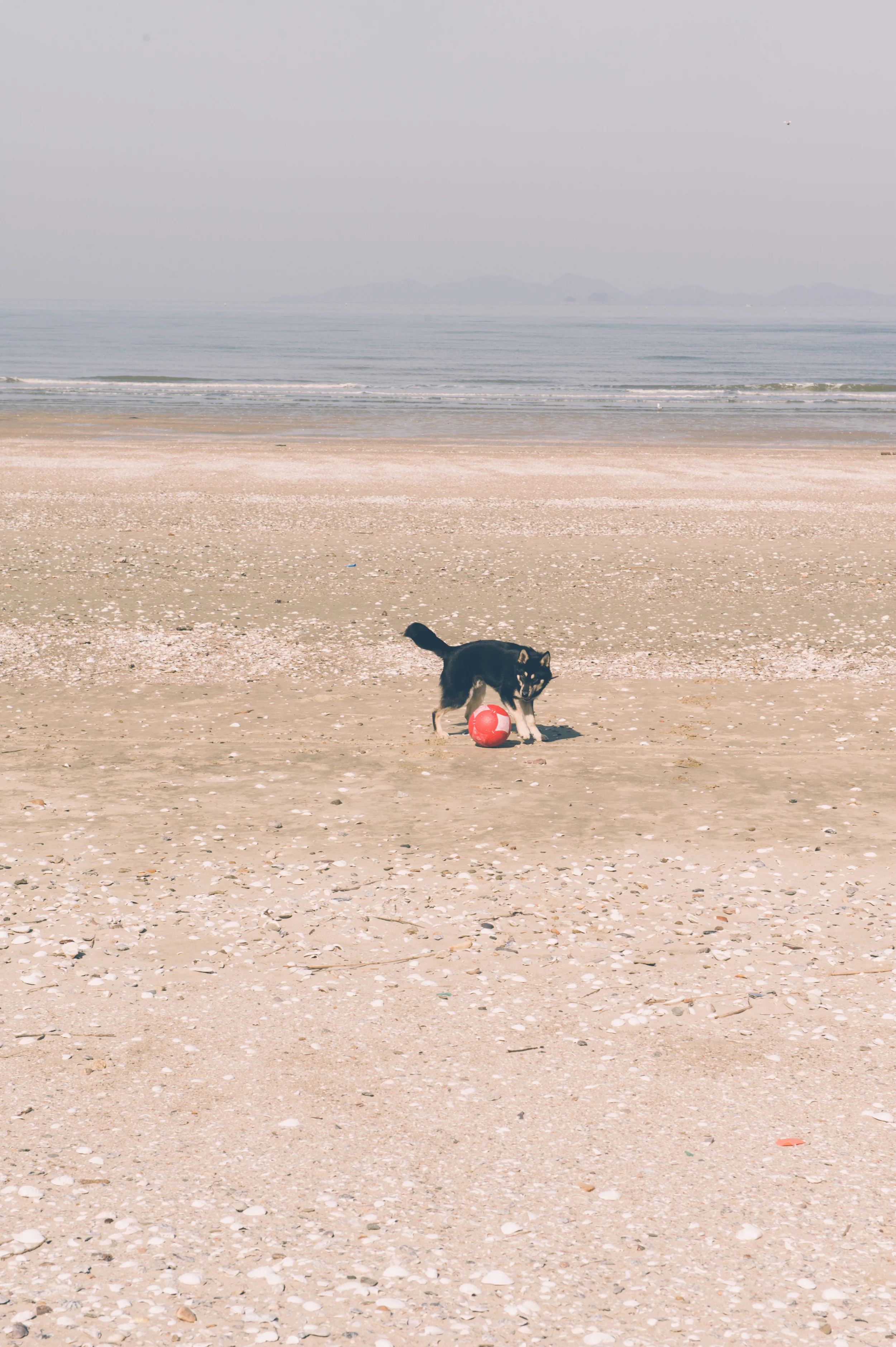


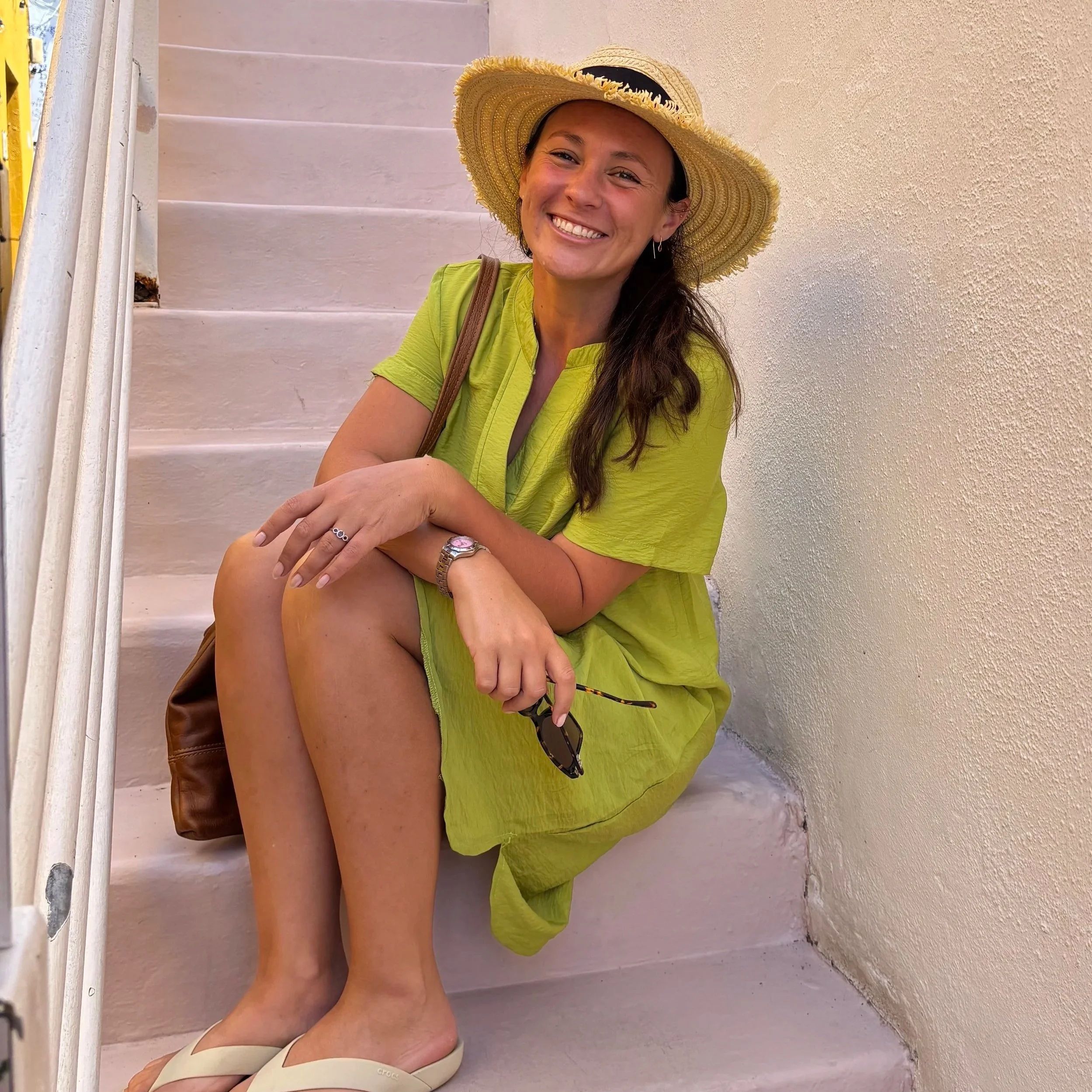









I have been wanting to visit the Enrogel Teapot Cafe ever since reading about it on Seoul State of Mind. When my friend Sam from There She Goes Again (you might recognise Sam as the stylist behind a lot of my styled photo shoots) recently took a trip there and I saw her photographs, I knew I had to make a plan to get there. Most of the weird and wonderful places to see in Korea are in Seoul. As I live way down south in a tiny little town called Buan, getting to Seoul is only really possible on the weekends.
I was delighted to find out that the teapot cafe is a mere 40 minute drive from Buan, and so I was able to go visit it one afternoon afternoon after school.
The cafe itself is actually just outside Jeongeup, which makes getting there quite easy as you can catch a train to Jeongeup and then from there a local bus. I am not sure of the exact route to take via public transport as I have a car (having a car in Korea is a real game changer especially if you have a dog here like we do).
The cafe is located in just outside Jangseon village , which is between Jeongeup & Gwangju and is actually quite near the famous Baekyangsa Temple in Naejangsan National Park. Naejangsan is particularly famous for its display of Autumn leaves, and Baekyangsa temple is a very special place to visit during Autumn.
We visited the teapot cafe at the end of Spring, and must have just missed the cherry blossoms. We were able to catch a glimpse of the end of the blossoms, but from the little we could still see of the blossoms, it must have been magnificent during full bloom. The drive itself from Buan to Jangseon is beautiful, and well worth an afternoon drive if you have a car.